- Home
- Entertainment
- Creating Agile Entertainment Strategies for Varied Audiences
Creating Agile Entertainment Strategies for Varied Audiences
 By
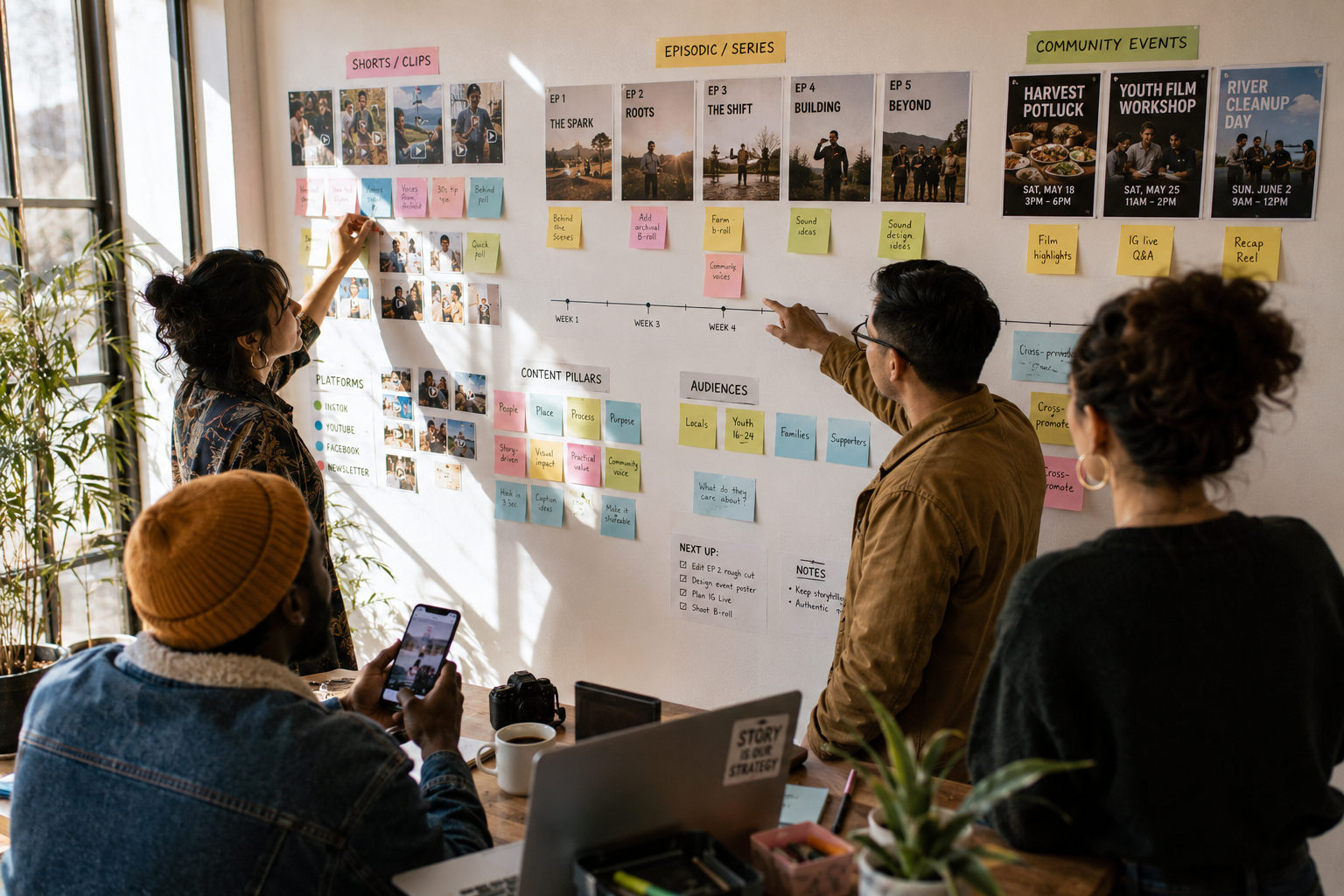
Audiences now move between short bursts of attention and deeper viewing sessions in a single day. Content teams must blend narrative intent with technical flexibility to meet those shifting patterns. This article outlines practical approaches for release timing, interactive touchpoints, and community building that keep engagement steady. The aim is to give teams concrete, adaptable tactics to reach diverse viewer habits.
Understanding Audience Rhythms
Start by mapping when and how different segments prefer to consume entertainment, from brief check-ins to long-form sessions and weekend binges. Use a mix of analytics, surveys, and observation to identify habitual patterns rather than isolated behaviors. Consider device, time of day, social context, and content mood as variables that shape attention and participation. Segment audiences into casual browsers, habitual viewers, and new discoverers to tailor approaches. These insights should directly inform format choices and scheduling priorities.
Clear rhythm planning reduces friction and encourages repeat visits. Test small timing changes and track retention impacts to refine your model. Over time, a predictable cadence helps set audience expectations and improves discoverability.
Designing Flexible Release Strategies
Adopt a modular release approach that mixes serialized drops, surprise moments, and evergreen pieces to keep the catalogue fresh. Plan core narrative beats while leaving room for topical micro-releases that respond to audience signals. Optimize metadata, platform hooks, and preview assets so content remains discoverable when attention is fragmented. Coordinate cross-platform windows to amplify reach without saturating interest. Monitor performance in real time and be prepared to re-prioritize assets based on early indicators.
Flexibility means fewer rigid deadlines and more staged checkpoints tied to audience metrics. Create feedback gates that allow creative adjustments before wide release. This keeps teams responsive and audiences consistently curious about what comes next.
Fostering Community and Feedback Loops
Encourage low-effort participatory moments—short polls, watch parties, and creator Q&As—to turn passive viewers into active contributors. Structured feedback cycles let creators prioritize improvements and validate new directions quickly. Reward early engagement with exclusive content, badges, or recognition to deepen loyalty and organic promotion. Balance openness with clear moderation policies so conversations stay constructive and welcoming.
Communities sustain momentum beyond single releases and create natural amplification. Measure qualitative sentiment alongside quantitative metrics to capture emotional response. Invest in repeatable rituals that make participation habitual and meaningful.
Conclusion
Agile entertainment strategy balances planning with an ability to respond to audience signals. By observing rhythms, designing flexible release patterns, and nurturing community ties, creators can maintain attention over time. Small iterative improvements compound into reliable, long-term engagement.