Why Local Reporting Still Matters in a Global News Cycle
 By
By Local reporting shapes how people understand the places they live, commute, and vote in. It surfaces stories that rarely travel beyond neighborhood boundaries but affect daily life: school budgets, zoning changes, small-business openings, public safety patterns. When those threads are pulled into public view, readers can make informed choices about services and civic participation. This piece looks at what local news provides, the pressures it faces, and how readers can respond.
The neighborhood lens: what local journalism delivers
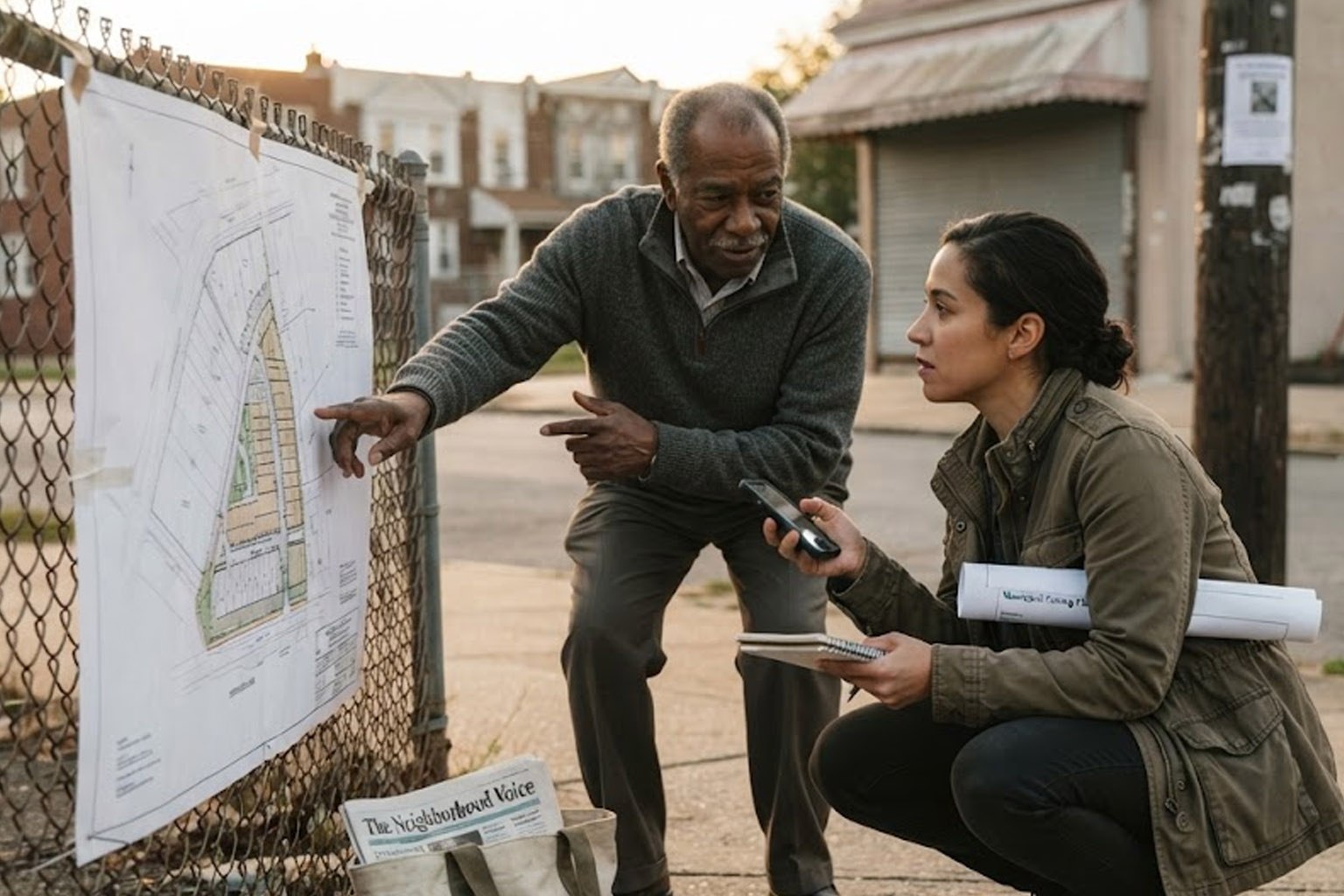
Local outlets translate municipal meetings, planning documents, and community disputes into clear narratives that are usable by residents. They often cultivate long-term knowledge of institutions and personalities that beat national outlets cannot match. That continuity builds context: knowing how a city department has behaved over years matters when interpreting a new announcement or controversy. Good local reporting connects specific events to broader patterns without losing sight of immediate consequences for neighbors.
Readers rely on this lens to navigate everyday choices, from where to send kids to school to how to respond to proposed development projects. It is the information that turns private concern into civic action.
Pressures squeezing local newsrooms
Many local newsrooms operate with smaller staffs and tighter budgets than a decade ago, which makes covering dozens of beats difficult. Reporters juggle multiple roles, reducing time for deep reporting and verification while increasing reliance on public records, social media, and tips. Advertising revenue has shifted online, and ownership changes can prioritize short-term efficiency over reporting capacity. Those factors together mean fewer watchdogs watching the institutions that directly affect residents.
The result is patchy coverage: some neighborhoods remain well-served, others go quiet. That unevenness shapes which issues get public scrutiny and which quietly slip by.
How readers can evaluate and support local outlets
Not all local outlets are identical, but there are practical ways to judge value and reliability. Look for bylines, clear sourcing, and follow-up stories that show an outlet returned to a subject. Transparency about corrections and editorial standards is another useful signal. Engagement matters: commenting, subscribing, and sharing thoughtful pieces help sustain reporters and signal demand to funders.
- Subscribe or donate to outlets you trust.
- Attend public forums and cite local reporting in conversations.
- Tip reporters with documents or leads when you spot gaps.
Small acts by readers—paid subscriptions, constructive feedback, and local tip-offs—add up. Those choices make a practical difference to newsroom viability and the health of local civic life.
What quality local coverage looks like
Quality local reporting balances immediacy with verification and follows stories over time rather than treating each item as disposable. It explains why a policy or development matters in everyday terms and names the agencies and people responsible. It also highlights underreported perspectives and holds power to account without seeking spectacle. When local reporters do this work consistently, communities are better equipped to respond and adapt.
Conclusion
Local reporting is where public life is documented and debated, often quietly but with real consequences. Supporting reliable outlets—through subscriptions, engagement, or tips—helps ensure those consequential stories keep getting told. Small investments by readers sustain the reporting that keeps communities informed and accountable.