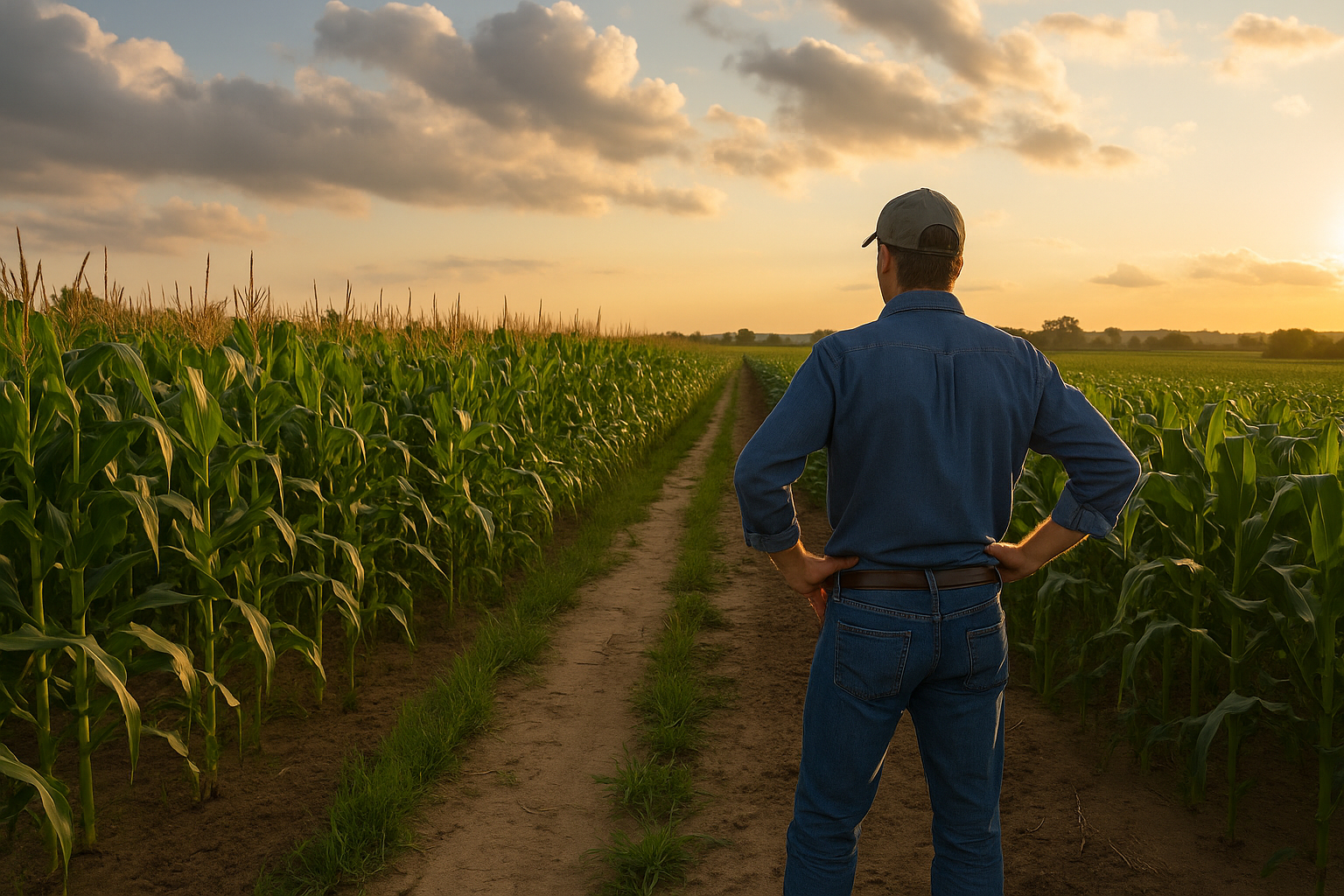
The Future of Agriculture in a Changing Climate
 By
By Agriculture sits at the center of one of the most important challenges of our time: adapting to a rapidly changing climate. As weather patterns shift and resources become less predictable, farmers and food systems must evolve to remain resilient. Yet this moment of uncertainty also presents an opportunity to rethink how food is grown, managed, and delivered. With new technologies, sustainable practices, and innovative strategies, agriculture is entering a future shaped by adaptation and forward-thinking solutions.
Climate Pressures That Redefine Farming
Rising temperatures, unpredictable rainfall, and more frequent extreme weather events are transforming the conditions under which crops and livestock thrive. Regions once known for stable production now face heat stress, drought, or sudden floods. These environmental pressures have made planning more complex, pushing farmers to look for tools and methods that can help them navigate shifting landscapes. Understanding these changes is the first step toward designing better agricultural strategies for the decades ahead.
Technology as a Driver of Resilience
Modern agriculture increasingly depends on technology to overcome climate challenges. Tools such as precision farming, soil sensors, and climate-smart irrigation systems help farmers use water and nutrients more efficiently. Drones and satellite mapping offer real-time data on crop health, allowing producers to respond quickly to emerging issues. Even genetic innovations play a role, with researchers developing crops that can tolerate heat, drought, or salinity. These advancements help farmers maintain productivity while reducing environmental impact.
Sustainable Practices for a Stable Future
Alongside technology, sustainable farming practices are becoming essential for long-term success. Regenerative agriculture, crop rotation, cover cropping, and reduced tilling help rebuild soil health and retain moisture. These methods support stronger yields while improving land resilience to climate stress. Communities are also exploring local food networks and diversified farming systems, ensuring more stable supply chains even when global conditions fluctuate. Together, these strategies offer a balanced path toward sustainability and productivity.
Collaboration Across the Food System
Adapting to climate change requires more than innovation on the farm—it demands teamwork across the entire food system. Governments, researchers, technology companies, and consumers all play important roles. Policies supporting climate-smart farming, investments in research, and growing interest in eco-friendly food choices can help accelerate progress. As collaboration deepens, agriculture becomes better prepared to handle uncertainty and shape a reliable future.
Conclusion
The future of agriculture in a changing climate hinges on innovation, sustainability, and collective effort. By embracing new technologies and regenerative practices, farmers can build resilient systems that protect both productivity and the environment. As the climate continues to shift, these strategies will help ensure that food production remains strong, adaptable, and prepared for the challenges ahead.