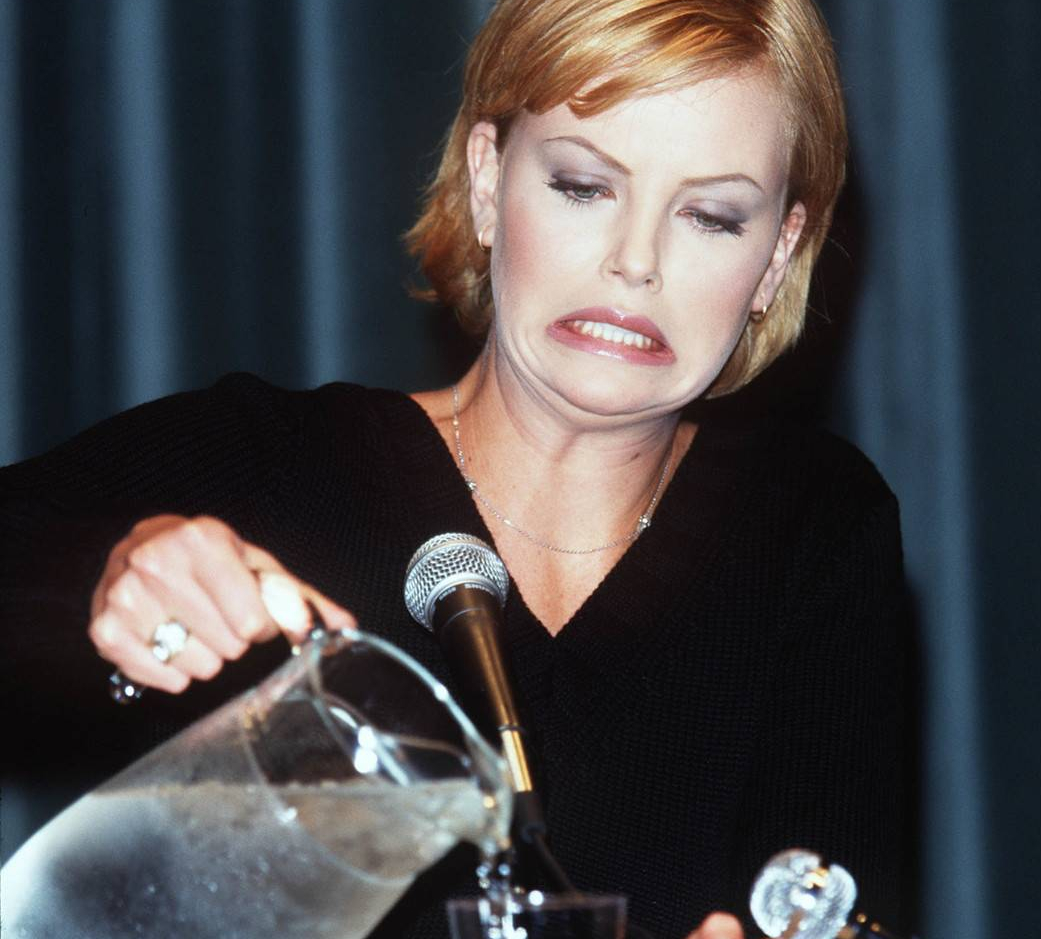
When Stars Call Out Their Critics
 By
By In today’s hyper-connected world, celebrities no longer rely solely on publicists to respond to criticism. Social platforms have given stars a direct line to audiences, allowing them to address rumors, backlash, and harsh commentary in real time. When public figures call out their critics, the moments often go viral—sparking debates about accountability, power, and free expression. These responses can feel bold, cathartic, or controversial, depending on how they’re delivered. At their core, such moments reveal how fame, vulnerability, and public opinion intersect in modern culture.
Why Celebrities Choose to Respond Publicly
For many stars, silence is no longer the default strategy. Constant scrutiny, misinformation, and online harassment can take a personal toll, making public response feel necessary. Calling out critics allows celebrities to reclaim their narrative and correct the record directly. In some cases, it’s about setting boundaries and signaling that harmful commentary won’t go unanswered. The decision often reflects a shift from controlled media messaging to more personal, immediate communication.
The Power and Risk of Speaking Out
When stars respond to criticism, their words carry significant influence. A well-articulated response can generate public support, spark meaningful dialogue, and even shift cultural conversations. However, there is also risk. Responses delivered in anger or without context can escalate conflict and invite further scrutiny. The line between self-defense and overexposure is thin, making tone and timing critical factors in how these moments are received.
Social Media as the Main Stage
Platforms like social media have become the primary arena for these exchanges. A single post or comment can reach millions instantly, amplifying both the message and the reaction. Fans often rally behind their favorite stars, while critics dissect every word. This dynamic turns individual responses into collective events, where public opinion forms rapidly and visibly. The immediacy leaves little room for nuance, intensifying both support and backlash.
Cultural Impact and Changing Expectations
When celebrities call out critics, they influence how public discourse evolves. These moments challenge traditional expectations that public figures should remain silent or detached. Instead, they humanize stars, showing emotional limits and personal values. At the same time, they raise questions about responsibility, influence, and whether visibility amplifies or resolves conflict.
Conclusion
When stars call out their critics, they reveal the shifting dynamics of fame in a digital age. These moments blend empowerment with risk, authenticity with scrutiny. As audiences, we’re witnessing a new era where public figures actively shape conversations—sometimes uncomfortably, but undeniably on their own terms.