Restoring Local Trust Through Responsive Reporting Practices
 By
Local newsrooms face growing skepticism even as communities rely on clear, timely information. Rebuilding credibility starts with practical changes to how coverage is conceived, produced, and shared. This piece outlines concrete reporting practices that help reconnect news organizations with readers. The goal is sustainable, community-centered journalism that earns back trust through consistent service.
Understanding Where Trust Erodes
Trust often declines when coverage feels distant, selective, or driven by metrics instead of public need. Residents notice gaps in local accountability, uneven attention to neighborhoods, and a lack of follow-up on important stories. Perceived bias or opaque editorial choices also deepen skepticism and reduce civic engagement. Recognizing these patterns is the first step toward meaningful change within a newsroom.
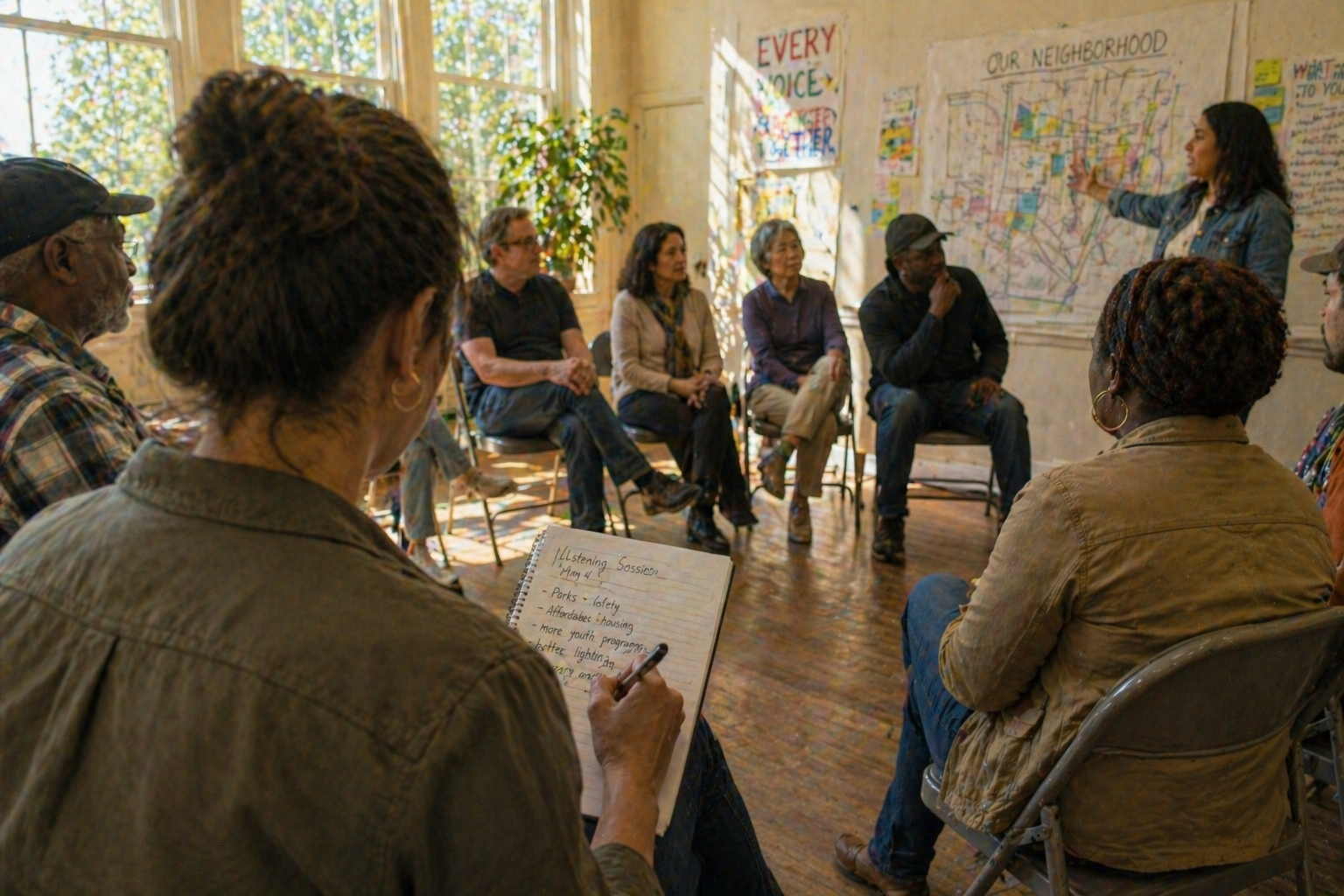
Leaders should map where trust is weakest by listening to varied community voices. Regular audits and open conversations can surface specific complaints and missed coverage areas.
Practical Reporting Tactics That Reconnect
Responsive reporting focuses on questions residents actually ask and offers clear, verifiable answers. That can mean more explainer pieces on municipal decisions, regular beat coverage of schools and transit, and proactive follow-ups on promises made by officials. Emphasize transparent sourcing and visible corrections practices so readers understand how and why reporting decisions are made. Short, frequent updates combined with deeper context pieces balance immediacy and depth effectively.
Encourage reporters to embed themselves in communities and attend local meetings on a predictable schedule. Consistent presence builds familiarity and reduces the distance between newsroom and neighborhood.
Building Sustainable Community Relationships
Trust grows when newsrooms treat readers as partners rather than just an audience. Create structured feedback channels, host periodic public forums, and partner with community organizations to co-design coverage priorities. Offer regular, accessible explainers about how editorial decisions are reached and how readers can contribute tips or corrections. These practices demonstrate accountability and invite civic participation in the reporting process.
Investing time in outreach yields long-term benefits: higher-quality tips, broader sources, and a readership that sees the newsroom as a public service.
Measuring Impact Without Chasing Clicks
Shift metrics from raw pageviews to indicators of civic value: policy changes prompted by reporting, reader-engagement quality, and problem-solving outcomes. Track follow-up actions, such as municipal responses or community initiatives spurred by coverage. Use surveys and focus groups to assess whether people feel better informed after interacting with your stories. Reporting that demonstrably improves life in a neighborhood is the strongest counter to distrust.
Transparent sharing of these impact metrics with readers reinforces the newsroom’s service role and lets the public judge progress fairly.
Conclusion
Restoring trust requires patient, consistent changes to reporting habits and community engagement. When newsrooms prioritize responsiveness, transparency, and measurable civic impact, they rebuild credibility over time. Those steps create a more useful, trusted local press.