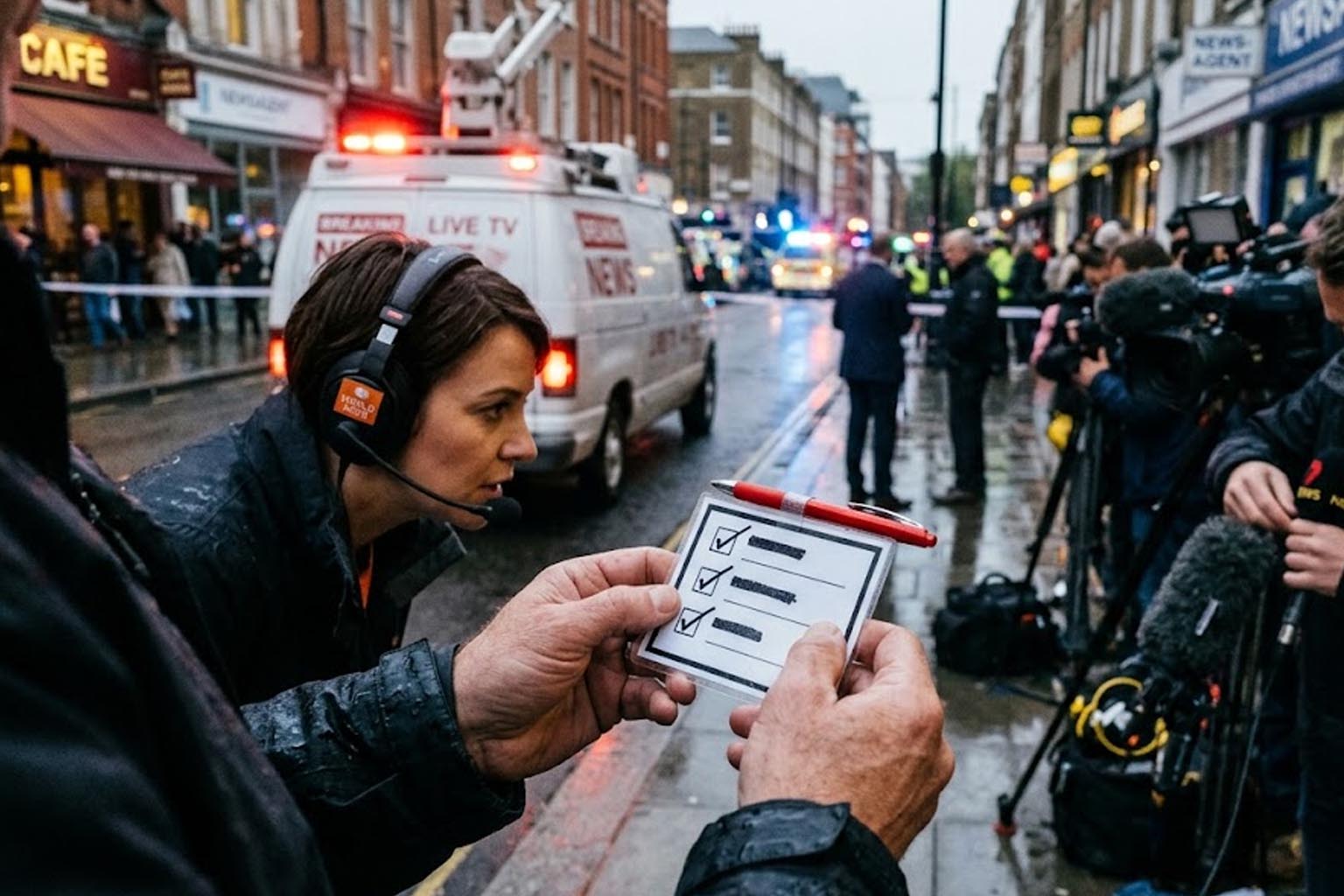
Inside the Pressure to Publish: A Reader’s Checklist
 By
By Newsrooms face relentless time pressure when events unfold, and that affects how stories appear to readers. Headlines arrive quickly, updates pile up, and early pieces often contain factual gaps or provisional sourcing. Knowing what to look for can help you read intelligently without assuming haste equals inaccuracy. This short checklist highlights practical cues that signal care versus corners cut.
Use these cues to judge individual stories rather than dismissing an outlet outright. They won’t solve every uncertainty, but they make it easier to spot reliable habits in reporting. Becoming an active reader takes only a few habits you can apply whenever breaking developments happen.
How speed changes reporting
When reporters publish fast, they often rely on single-source information, wire copy, or early official statements that later require revision. Those first pieces are valuable for awareness but can lack context and verification. Corrections and updates are part of the cycle; the key difference is whether a newsroom is transparent about what changed and why.
Pay attention to whether updates are clearly labeled and why a correction was made. Transparency about uncertainty shows a willingness to get the record right rather than hide mistakes.
Practical signals that indicate trustworthy stories
Look for clear sourcing, named eyewitnesses or documents, and explicit explanations of what is unknown. Stories that quote multiple independent sources or link to original documents are stronger than ones that repeat anonymous claims without detail. Datelines and reporter names help you assess where coverage comes from and whether local context was considered.
- Multiple independent sources or linked primary documents
- Clear timestamps and labeled updates
- Reporter names and local datelines
These signals don’t guarantee perfection, but they let you weigh confidence. Favor pieces that show how conclusions were reached rather than asking you to accept them without support.
How newsrooms can improve under pressure
Simple editorial practices reduce error: brief verification checklists for breaking items, rapid internal review for claims about wrongdoing, and visible correction notes when facts change. Newsrooms that invest in these routines deliver more reliable early reporting without needing to slow every story to a crawl. Resource constraints matter, but clear public commitments to verification are inexpensive and effective.
As a reader, noticing whether a newsroom adopts these practices helps you decide which outlets deserve ongoing trust. News judgment grows from consistent habits, not single articles.
Conclusion
Fast coverage is inevitable, but readable signals help you judge it. Look for sourcing, transparent updates, and visible corrections when evaluating reports. Over time, these cues will improve how you consume and trust the news.