Covering the Places Your Readers Actually Care About
 By
Local reporting works best when it’s tied to specific places people recognize: the corner park, the bus stop, the strip of storefronts on Main. Too often newsrooms aim for broad beats and miss the small, repeatable stories that shape daily life. This piece outlines practical ways to refocus coverage so neighbors see themselves in the reporting and can rely on it. The goal is straightforward: make local news useful, visible, and easy to act on.
Pinpoint the places that matter
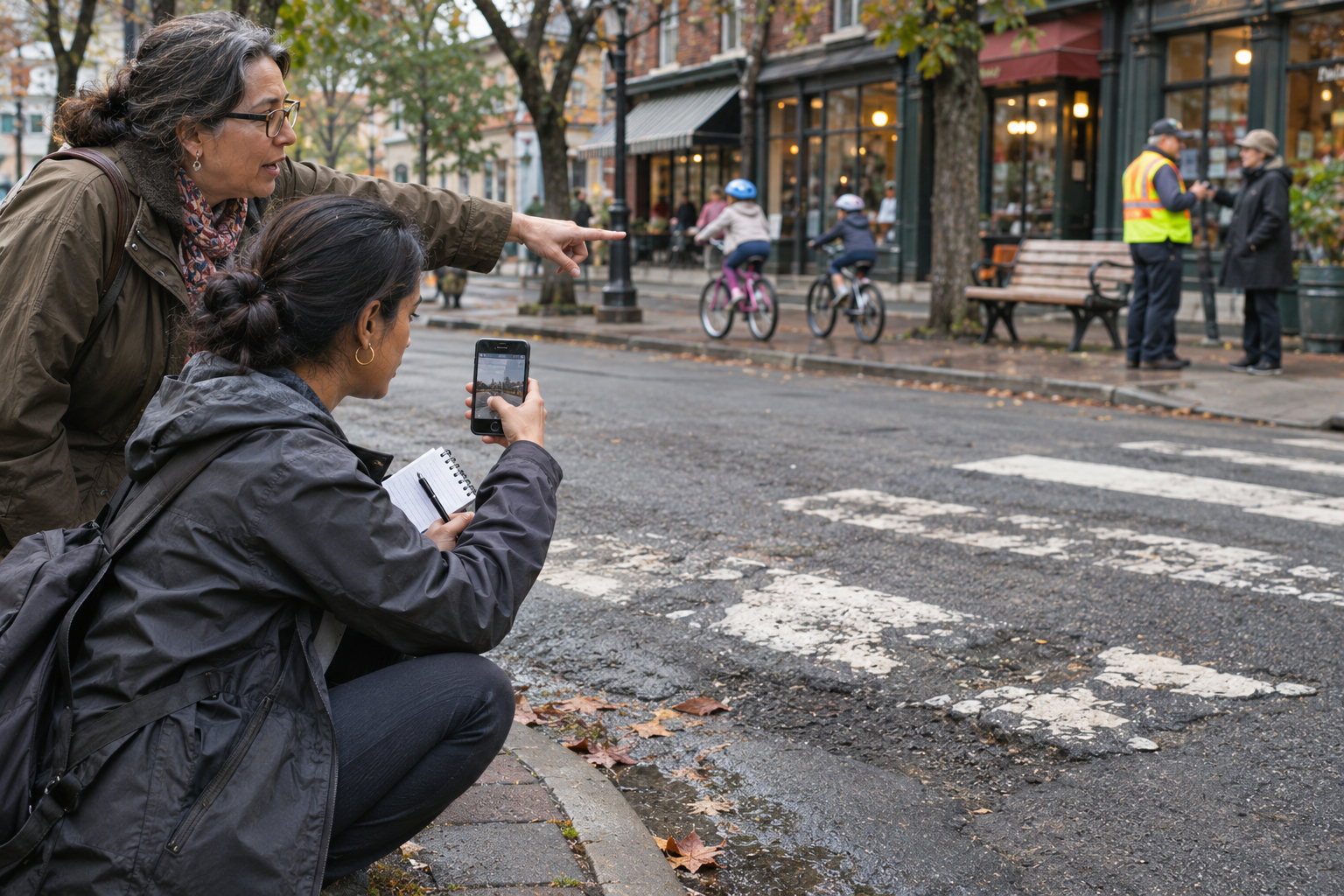
Start by mapping actual locations that appear in tips, complaint logs, and social media chatter. Look for recurring addresses — an intersection with frequent accidents, a block losing businesses, a school crosswalk where parents worry. Assign those spots to reporters as micro-beats so coverage becomes routine rather than ad hoc. Over time, these named places become shorthand with readers and help editors prioritize scarce resources.
When a reader sees the name of their block in a headline, trust grows because the story feels directly relevant. That recognition also increases the chance people will share updates, photos, or corrections.
Make coverage lightweight and predictable
Readers appreciate short, consistent formats that fit their schedules: quick alerts, a weekly update on a problem spot, or a short Q&A with an official about a neighborhood issue. Train reporters to produce these compact pieces without losing accuracy: a 300–500 word status update, a two-paragraph alert, or a small photo-plus-caption post can keep interest alive. Predictability matters — publish updates on the same day each week so people know when to check back.
- Daily: short alerts for immediate disruptions (closures, hazards).
- Weekly: brief status reports on ongoing fixes (repairs, enforcement).
- Monthly: a deeper update tying local trends to decisions and budgets.
These lightweight routines reduce overhead and make it easier for small teams to maintain presence across several places.
Show fixes and follow up
Coverage that only highlights problems without tracking solutions feels incomplete. Close the loop by reporting what changed after a story — a pothole repaired, a permit issued, or a scheduled meeting. Use short follow-ups to credit actors who acted and to note barriers that remain. These follow-ups signal that local journalism is not just watchdogging but also monitoring outcomes over time.
Follow-up reporting encourages readers to keep contributing information and helps editors measure impact. It also gives newsrooms clear evidence to share with funders and the community about the value of consistent local coverage.
Conclusion
Focusing on named places, predictable formats, and visible follow-ups makes local news immediately more useful. Small changes to beats and routines let stretched newsrooms deliver steady public value. Over time, that reliability rebuilds readership and trust.