When Neighborhood News Stops Being Useful — Fixes That Work
 By
Local outlets are losing attention because their coverage feels distant from daily life. Readers increasingly skip pieces that don’t answer simple questions about where to go, who to call, or what changes mean for their day. That gap isn’t a mystery so much as a pattern: reporting focused on events without clear resident value. Small, deliberate shifts in priorities and presentation can make neighborhood news worth people’s time again.
What residents actually want
People want clarity first: dates, times, locations, contact points and quick explanations of impact. They also value tested solutions, follow-up on promised fixes, and straightforward alerts about disruptions. Context still matters, but only when it connects to immediate decisions like school pickups, transit changes, or permit deadlines. When stories answer specific resident questions, they become usable rather than just interesting.
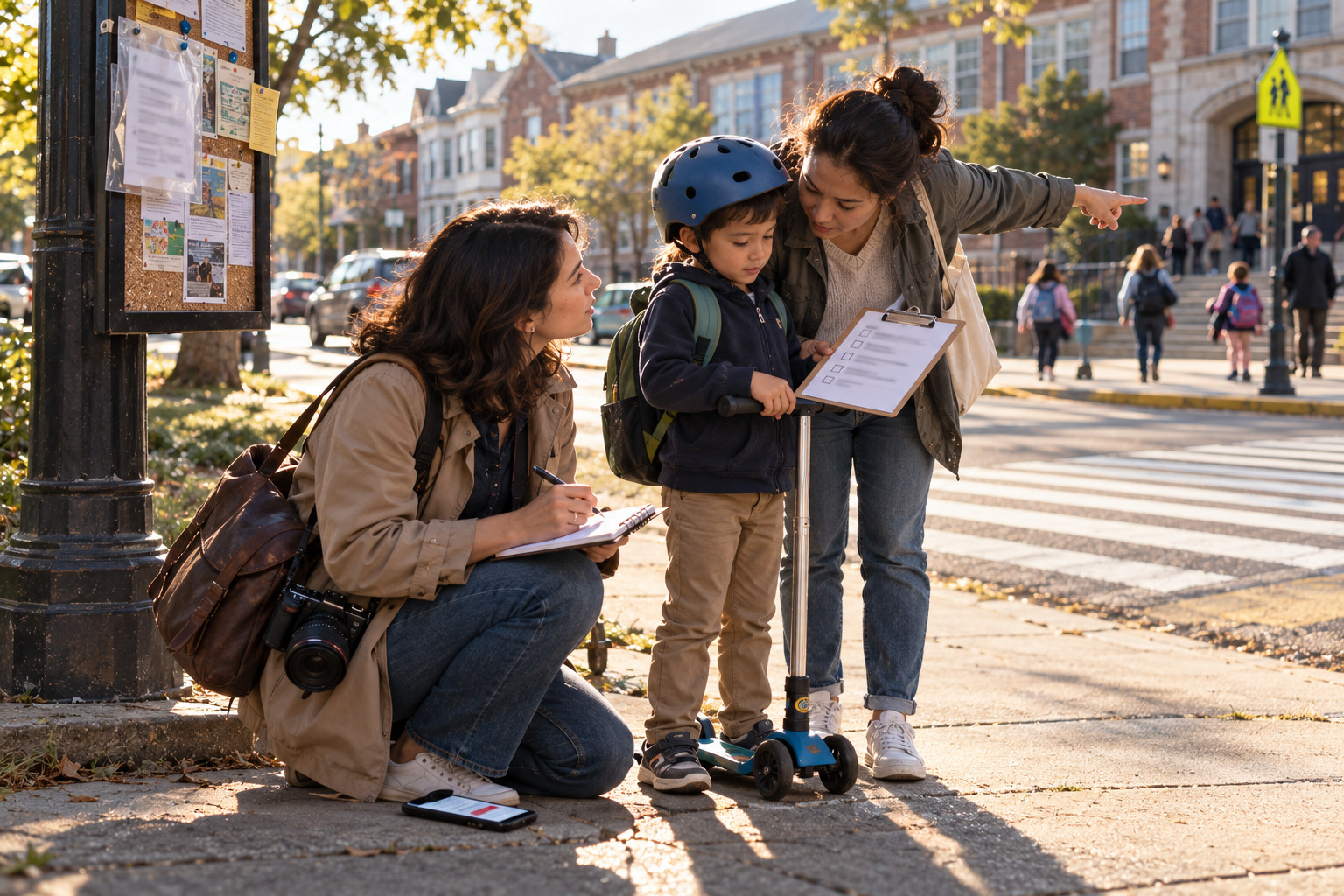
Framing coverage around resident decisions reshapes beats from announcement-driven to service-oriented. That shift helps editors set priorities and reporters choose which details to collect on the next outing. It also makes distribution — alerts, newsletters, social posts — more purposeful and less noisy.
Three low-effort shifts to try
Start with a simple editorial checklist that every item must pass: Who, when, where, how to act, and a follow-up note. Add a short “What readers need to know” box to local stories so busy people get the essentials at a glance. Finally, schedule one daily or weekly alert that highlights only actionable updates for the neighborhood audience.
- Checklist fields: contact, timeline, immediate action, expected outcome.
- Two-line alert: headline and one-sentence instruction for readers.
- Follow-up routine: note progress or next step within a fixed window.
Those three practices require templates more than extra staff time. They also make it easier to train freelancers or contributors to produce consistent, useful copy.
Keeping changes sustainable
Match workload to capacity by cross-training reporters to rotate brief service items with deeper features. Use simple tracking — a shared spreadsheet or CMS tags — to see which alerts drive engagement and which follow-ups close a story loop. Partnering with community organizations for verification or distribution can widen reach without increasing reporting hours dramatically.
Small wins compound: one reliable alert builds trust, and trust makes readers more likely to return for longer pieces. Treat usefulness as an editorial value, not an optional add-on.
Conclusion
Neighborhood news regains relevance when it helps people make everyday decisions. Begin with a few pragmatic habits that surface essential details and follow through. Over time those habits rebuild routine readership and trust.