Build a Simple Daily Routine to Improve Well-Being
 By
Introduction
Small daily routines shape how you feel, focus, and perform across every part of life.
They offer structure without overwhelming commitment, helping turn intentions into habits.
A well-chosen routine reduces decision fatigue and frees mental energy for what matters.
This article outlines practical steps to design and maintain a simple routine that fits your life.
Why routines matter
Routines create reliable anchors in an otherwise unpredictable day and support consistent progress toward goals. They reduce the cognitive load of constant planning so you can reserve attention for creative or high-priority tasks. Regular habits also reinforce self-efficacy; repeated success, even in small tasks, builds confidence. Together, these effects improve mood, productivity, and overall well-being when sustained.
For many people, the benefit is less about perfection and more about predictability. A flexible framework that adapts to life changes tends to last longer than a rigid schedule. Start with small wins to build momentum and avoid setting unrealistic expectations.
Designing a routine that fits you
Begin by identifying two or three core activities that support your priorities, such as sleep consistency, movement, or focused work time. Choose actions that are short, specific, and easy to repeat so they require minimal planning and willpower. Pair new habits with existing cues—such as drinking water after breakfast—to increase automaticity. Keep the list short so the routine is simple to remember and execute every day.
- Morning: brief stretch or walk, simple planning.
- Midday: focused task block, brief pause for movement.
- Evening: wind-down ritual, reduce screens before bed.
These examples are templates, not rules; personalize them to match your rhythm and responsibilities. The goal is consistency, not complexity, so choose actions you’re likely to repeat most days.
Sticking with changes long-term
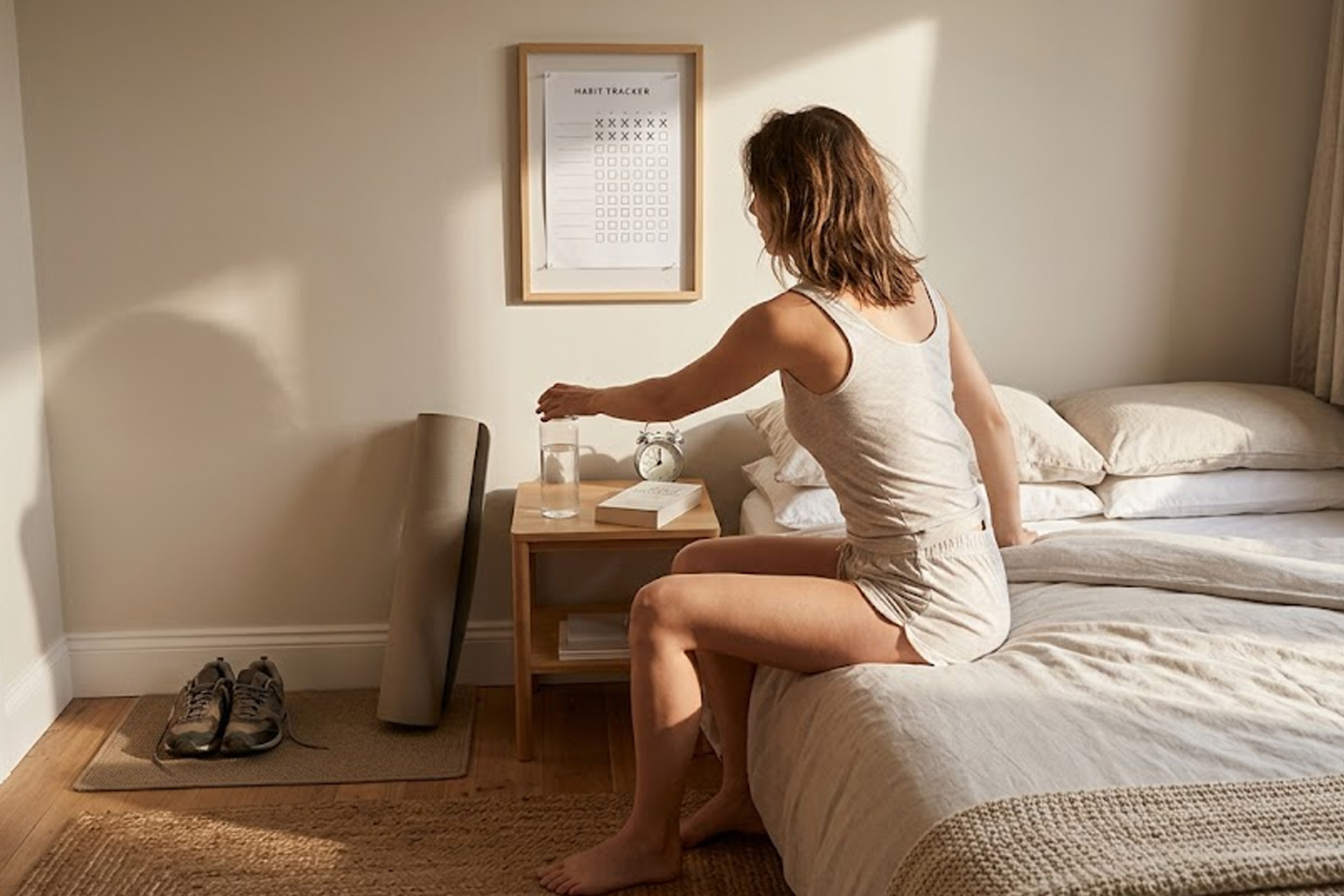
Accountability and gentle tracking help habits persist beyond initial motivation. Keep a simple log or checkmark calendar and celebrate small streaks rather than seeking immediate transformation. Expect occasional setbacks and plan how you will return to routine without harsh self-judgment. Social support, whether a friend or an online group, can provide motivation and practical tips when challenges arise.
Adjust frequency and intensity as your life changes, and periodically review whether each habit still supports your goals. When routines evolve with you, they remain useful tools rather than burdens.
Conclusion
Simple, focused routines reduce friction and protect your energy for meaningful work.
Start small, track progress, and allow routines to flex with life changes.
Over time these modest practices compound into noticeable improvements in daily well-being.