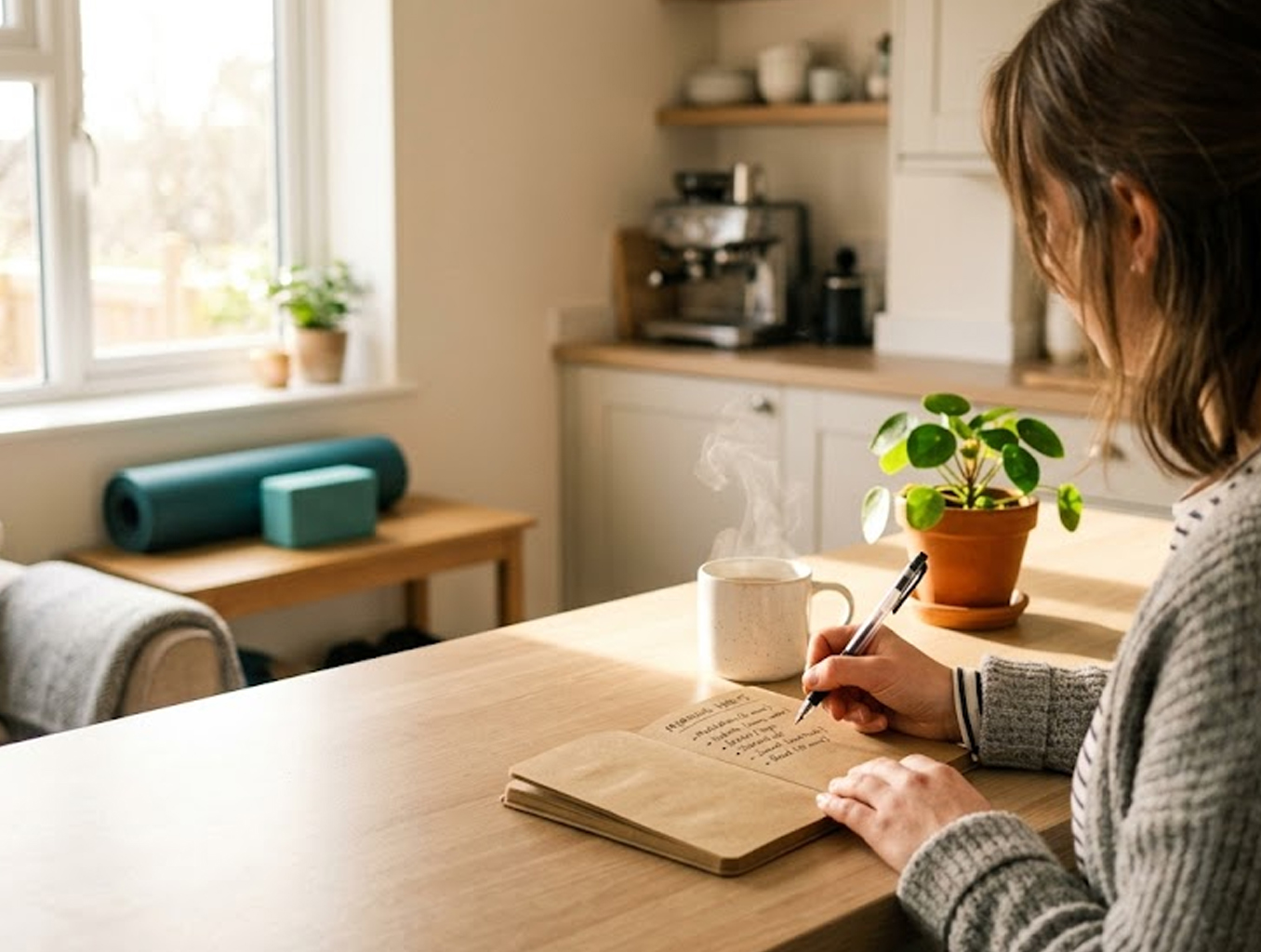
Creating Balanced Routines for Everyday Home Wellbeing
 By
Introduction
Establishing a balanced routine at home can transform daily stress into steady momentum. Small changes to morning and evening habits build durable energy, focus, and calm. Prioritizing a few consistent practices helps align work, rest, and personal time. This article outlines practical approaches to design a sustainable rhythm that supports wellbeing.
Designing a Calm Living Environment
Start by assessing the physical spaces where you spend most of your time and aim for low-friction maintenance. Declutter surfaces, choose a few multiuse items, and define zones for work, relaxation, and sleep to reduce decision fatigue. Natural light, indoor plants, and simple storage solutions create a sense of order without requiring a complete redesign. Thoughtful small upgrades often yield the largest daily benefits.
Focus on functional simplicity and emotional comfort when arranging rooms. Regular 10-minute tidying sessions keep spaces manageable and reinforce a peaceful atmosphere. Consistent surroundings make routines easier to follow.
Daily Habits That Boost Energy and Focus
Create a short morning sequence that primes your body and mind for the day ahead, such as hydration, light movement, and brief planning. Break the day into focused work blocks with intentional breaks to avoid burnout and sustain concentration. Incorporate micro-habits like standing calls, a midafternoon walk, or a brief breathing practice to reset energy levels. Evening rituals that reduce screen exposure and signal rest will improve sleep quality and next-day performance.
Small, repeatable habits compound over weeks into measurable improvements in productivity and mood. Keep the list short and gradually build new practices into existing patterns.
Balancing Digital Life and Personal Time
Set clear boundaries around device use to reclaim uninterrupted time for deep work and relationships. Use scheduled notifications, app limits, and curated home screens to minimize distractions during focus periods. Designate tech-free windows in the day for reading, hobbies, or conversation to strengthen social bonds and creativity. Intentional use of technology preserves its benefits while reducing its drain on attention.
Regularly review what tools add value and remove those that fragment attention. Guarding personal time is essential to maintaining long-term balance.
Sustaining Motivation and Adjusting Routines
Expect routines to evolve as seasons, responsibilities, and energy levels change, and plan periodic check-ins to adjust them. Celebrate small wins and track progress with simple markers like mood notes or a habit log to stay motivated. When a routine stalls, simplify it temporarily and reintroduce elements one at a time to rebuild momentum. Flexibility paired with consistency helps routines endure.
Adapting practices thoughtfully prevents burnout and keeps them relevant. Use feedback from your own experience to refine what works best.
Conclusion
Intentional routines and modest environmental changes foster a more balanced, resilient home life. Prioritize a few sustainable habits and protect time from digital interruptions. Regular review and gentle adjustments will keep your approach aligned with changing needs.