- Home
- Entertainment
- Creating Entertainment Timelines That Fit Audience Habits
Creating Entertainment Timelines That Fit Audience Habits
 By
By Successful entertainment depends on understanding when audiences are most receptive to new content. Timing affects discovery, sharing, and long-term engagement. Creators who map release strategies to viewer habits can increase visibility and retention. This article outlines practical approaches to align production and promotion with audience routines.
Aligning timing does not require sacrificing creative vision. Small adjustments to cadence and format can produce measurable audience gains.
Understanding Audience Rhythms
Begin by analyzing when your target viewers are active and how long they stay engaged in a single session. Look at platform analytics to identify peak days and times, as well as session lengths and repeat-visitation patterns. Segment audiences by behavior — casual viewers, habitual watchers, and superfans — to design different rhythms for each group. Use qualitative feedback from social channels and community spaces to validate what the numbers suggest.
Combining quantitative and qualitative signals creates a clearer picture of attention windows. This helps prioritize release schedules without guessing.
Designing Flexible Narrative Formats
Different formats perform better against different attention spans, so create modular narratives that can be repackaged across durations and channels. Long-form stories can be broken into short, standalone episodes or highlights that feed discovery pipelines. Conversely, micro-content can be bundled into longer compilations for binge audiences. Maintain narrative coherence by using consistent themes, hooks, and clear entry points across versions.
- Offer short teasers to capture quick attention.
- Provide deeper dives for committed viewers.
- Repurpose assets to extend lifespan without extra shooting.
Adapting format increases opportunities for discovery and re-engagement. It also reduces the friction between creative intent and audience behavior.
Practical Release and Promotion Tips
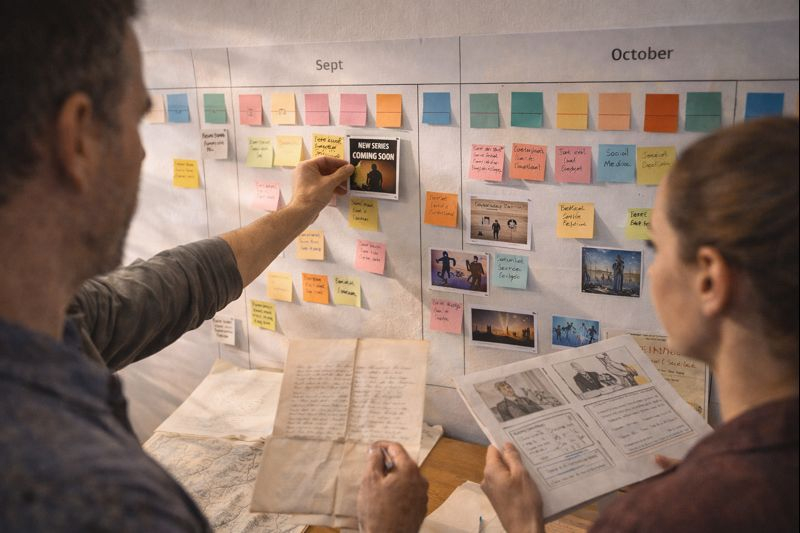
Create a tentative calendar that blends predictable drops with surprise moments to sustain interest. Coordinate cross-platform promotion so each release feeds discovery on other channels, and use analytics to iterate on timing and frequency. Consider testing different publishing cadences in small cohorts before committing to a large-scale schedule. Build promotional bursts around moments when your audience has historically shown higher responsiveness.
Track KPIs such as retention curves and share rates to assess whether timing adjustments are effective. Use short experiments to refine your approach without major resource commitments.
Conclusion
Matching release timelines to audience habits boosts discoverability and long-term engagement. Small, data-informed changes in cadence and format can deliver major returns. Regular testing and cross-channel coordination keep strategies aligned with evolving viewer behavior.