International Education Trends Shaping the Next Generation
 By
By Education is evolving faster than ever as countries adapt to new technologies, global challenges, and shifting student expectations. Today’s learners are growing up in a world that is more connected, diverse, and digitally driven, and international education trends reflect these realities. From virtual learning to global collaboration, these shifts are preparing students not just for local opportunities—but for a world without borders.
The Rise of Digital and Hybrid Learning
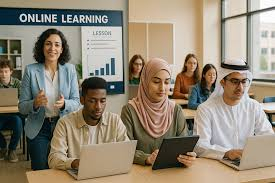
Technology is transforming how students learn, giving them access to global classrooms and flexible study formats. Hybrid and online learning models allow students to take courses from international institutions, engage with global peers, and personalize their learning pace. This digital expansion is shaping a generation that is more adaptable, tech-savvy, and comfortable learning beyond traditional boundaries.
Focus on Global Citizenship and Cultural Literacy
Schools worldwide are placing more emphasis on cultural understanding, empathy, and global awareness. Programs that encourage international collaboration, cross-cultural projects, and foreign language study are helping students see themselves as part of a larger global community. These skills prepare the next generation to thrive in multicultural workplaces and solve shared global challenges.
STEM and Innovation at the Forefront
STEM fields—science, technology, engineering, and mathematics—continue to rise as countries invest heavily in innovation-based education. Robotics, coding, AI literacy, and data science are becoming core components of modern curricula. These trends ensure students are equipped for the demands of future careers and contribute to technological advancement.
Growth of International Mobility and Exchange
More students are exploring study-abroad programs, global internships, and international pathways. These experiences broaden perspectives, strengthen independence, and expose students to diverse educational systems. Even short-term exchanges help build confidence and resilience—qualities essential for success in an interconnected world.
Personalized and Skills-Based Learning
Global education trends increasingly prioritize practical skills over memorization. Schools are adopting competency-based models that emphasize problem-solving, communication, creativity, and emotional intelligence. This shift allows students to develop real-world capabilities that make them adaptable and future ready.
Conclusion
International education is rapidly evolving to prepare the next generation for global opportunities. Through digital innovation, cultural learning, mobility programs, and skills-based education, students are gaining the tools they need to succeed in a connected world. These trends ensure that the future of learning is not just international—but transformational.