- Home
- Entertainment
- Shifting Scenes: How Entertainment Reinvents Audience Connection
Shifting Scenes: How Entertainment Reinvents Audience Connection
 By
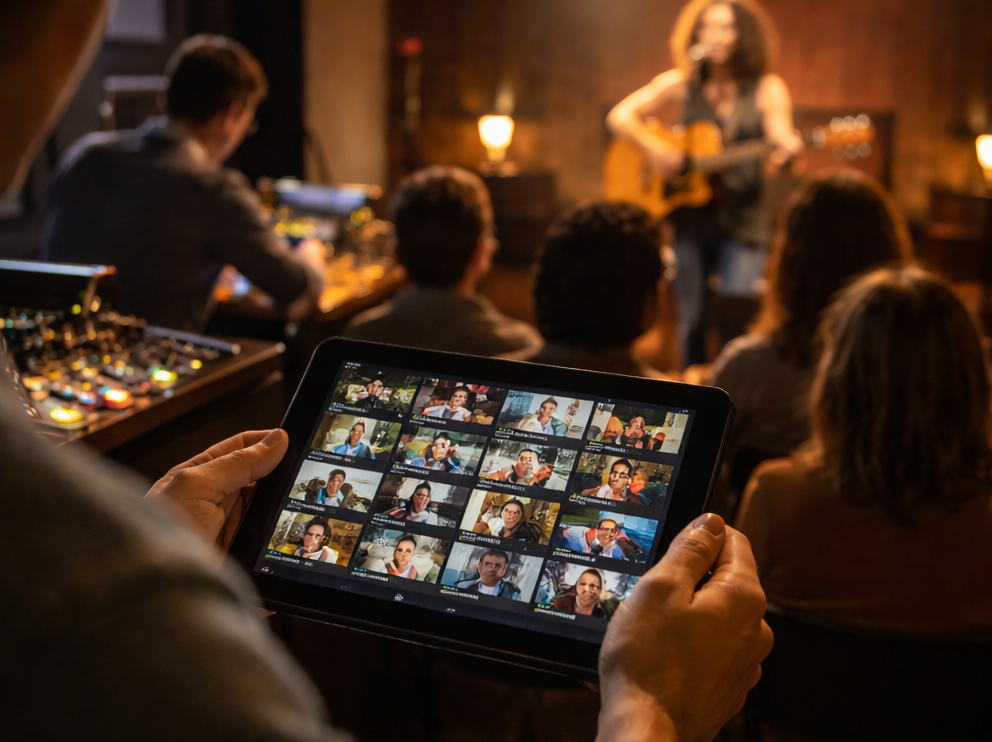
Live and recorded entertainment continue to evolve in response to changing audience habits. New formats blend immediacy with accessibility to meet diverse expectations. Creators and venues are rethinking how stories, music, and performances reach people. This piece explores the forces reshaping audience connection in contemporary entertainment.
Why communal experiences still matter
Shared experiences remain a core reason people seek entertainment, whether at a small club or a large venue. The immediacy of being present with others amplifies emotion and creates memories that on-demand content rarely replicates. Social rituals around events—arriving early, post-show conversations, and communal applause—help build identity and loyalty. Even as digital alternatives grow, the value of co-presence sustains demand for live formats. This persistent desire for community influences programming decisions and marketing strategies across the industry.
Producers who honor that communal element often see higher engagement. Audience connection tends to deepen when events feel participatory rather than purely consumptive.
Digital tools reshaping formats
Technologies such as streaming, real-time interaction, and immersive media expand how stories are told and experienced. Hybrid events combine elements of in-person gatherings with virtual access, making content available to wider audiences while preserving local atmospheres. Interactive narratives and audience-driven choices create a sense of agency that modern viewers increasingly expect. Data analytics enable creators to test and refine formats based on behavior and feedback. As platforms evolve, the distinction between creator and audience blurs, leading to more collaborative modes of production.
Adopting new tools requires intentional design to avoid gimmicks. When technology serves the story and the audience, formats feel both fresh and meaningful.
Audience-first practices for creators
Successful entertainment projects start with an understanding of audience needs, preferences, and access barriers. Accessibility, thoughtful pricing, and transparent communication make experiences more inclusive and sustainable. Engaging communities through local partnerships, social conversation, and repeatable rituals builds deeper relationships over time. Experimentation with scale, pacing, and interactivity can reveal unexpected pathways to connection. Measurement and iterative improvements ensure that creative risks are informed rather than random.
Creators who listen and adapt cultivate loyal audiences that support long-term growth. Prioritizing audience experience often leads to stronger word-of-mouth and repeat attendance.
Conclusion
Entertainment is reshaping itself around connection and inclusion.
New formats and technologies extend reach without replacing presence.
Audience-centered design will define the next era of memorable experiences.