- Home
- Entertainment
- The Globalization of K-Pop and World Music
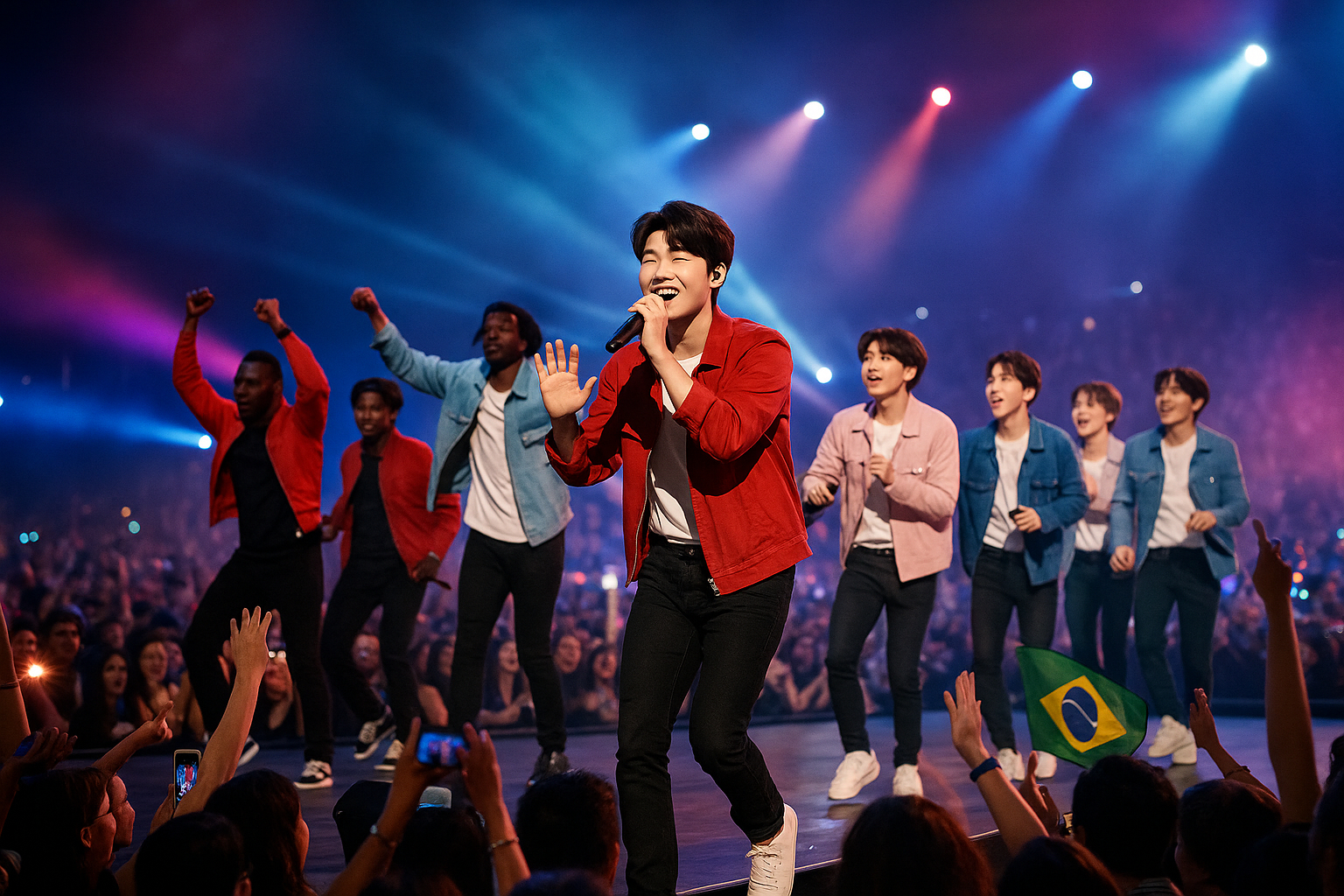
The Globalization of K-Pop and World Music
 By
Music has always transcended borders, but in the 21st century, it has become a truly global language. From the rhythmic beats of Latin pop to the polished performances of K-pop, artists around the world are reshaping what it means to create and consume music. Globalization has blurred the lines between local and international, turning once-regional genres into worldwide movements. Among these, K-pop stands as a symbol of how cultural creativity, digital media, and fan power can transform a nation’s music industry into a global phenomenon.
K-Pop: More Than Just Music
K-pop — short for Korean pop — is a meticulously crafted blend of catchy melodies, synchronized choreography, and vibrant visuals. But its rise is no accident. Behind the glitter and glamour lies a sophisticated system of production, training, and marketing designed to appeal to audiences everywhere. What makes K-pop remarkable is its hybrid identity — it borrows from Western pop, hip-hop, R&B, and electronic dance, yet infuses them with Korean language, aesthetics, and storytelling. This fusion creates something both familiar and new, allowing it to resonate across cultures.
The Role of Technology and Social Media
The globalization of K-pop wouldn’t have been possible without the internet. Social media platforms, streaming services, and fan communities have given artists direct access to global audiences. YouTube in particular played a pivotal role in bringing K-pop to the world stage — viral music videos introduced international viewers to a genre that transcended language. Online fandoms, known for their passion and organization, amplify every release, turning songs into global events. Fans translate lyrics, promote artists across platforms, and create digital bridges between cultures, proving that music’s emotional power speaks louder than words.
World Music: A Broader Movement
K-pop is part of a larger story — the globalization of world music. Artists from Africa, Latin America, and South Asia are now reaching audiences far beyond their borders. Afrobeat rhythms from Nigeria, reggaeton beats from Puerto Rico, and Bollywood-inspired pop from India are reshaping playlists everywhere. Streaming platforms have democratized discovery, giving equal space to diverse sounds that once existed only in local markets. Global listeners now crave authenticity and cultural variety, embracing music that reflects the richness of the world’s voices.
Cultural Exchange and Identity
The rise of global music doesn’t erase cultural identity — it celebrates it. Artists are blending traditions with modern styles, creating new forms that honor heritage while embracing innovation. Collaborations between Western and non-Western artists are no longer rare; they’re redefining the industry. Yet, globalization also raises questions about cultural ownership and representation. As genres cross borders, maintaining respect for their origins becomes essential. True cultural exchange thrives when diversity is valued, not commodified.
The Future of Global Sound
The next era of world music will be defined by connection and creativity. With technology enabling artists to collaborate across continents, genres are merging faster than ever before. The boundaries between “mainstream” and “world music” are dissolving, giving rise to a truly global soundscape. K-pop may have opened the door, but it’s part of a broader movement where every culture contributes to the rhythm of a shared global beat.
Conclusion
The globalization of K-pop and world music is more than a musical trend — it’s a reflection of how interconnected our world has become. Through rhythm and melody, artists and audiences are finding common ground beyond language and geography. Music has always united people, but today, it does so at a scale never seen before. From Seoul to Sao Paulo, Lagos to Los Angeles, the world is dancing to the same song — proof that creativity knows no borders, and harmony is humanity’s most universal tune.