Education Reform: New Models for Global Learning
 By
The world of education is evolving faster than ever before. Traditional classrooms are giving way to dynamic, tech-enabled, and inclusive models that prepare students for a globalized, digital economy. Education reform today isn’t just about access—it’s about adaptability. As new technologies and philosophies emerge, the very definition of learning is being rewritten to fit a world without borders.
1. From Standardized to Personalized Learning
For much of modern history, education followed a one-size-fits-all model. Students were expected to learn the same subjects in the same way and at the same pace. Today, reform movements are turning that model on its head.
2. Technology as the Great Equalizer
Technology has democratized learning. With smartphones and internet access, students from remote regions can attend lectures from top universities or join global classrooms. Virtual reality (VR) and augmented reality (AR) bring immersive experiences into learning—allowing students to explore ancient civilizations, conduct virtual science experiments, or simulate real-world problem-solving.
However, the challenge remains ensuring equity—making sure all learners, regardless of geography or income, can access these tools. Education reform must focus not only on innovation but on inclusivity.
3. The Rise of Lifelong Learning and Micro-Credentials
In a rapidly changing job market, learning doesn’t stop with graduation. Governments and organizations worldwide are promoting lifelong learning through short-term, skill-based programs.
Micro-credentials, certificates, and online courses allow professionals to upgrade their skills on demand. This flexible model prepares the workforce for the future—where adaptability, creativity, and problem-solving will be as valuable as technical expertise.
4. Global Collaboration and Cultural Exchange
Modern education reform emphasizes cross-cultural learning. Programs like UNESCO’s Global Education Monitoring initiative encourage cooperation between nations to share knowledge and best practices.
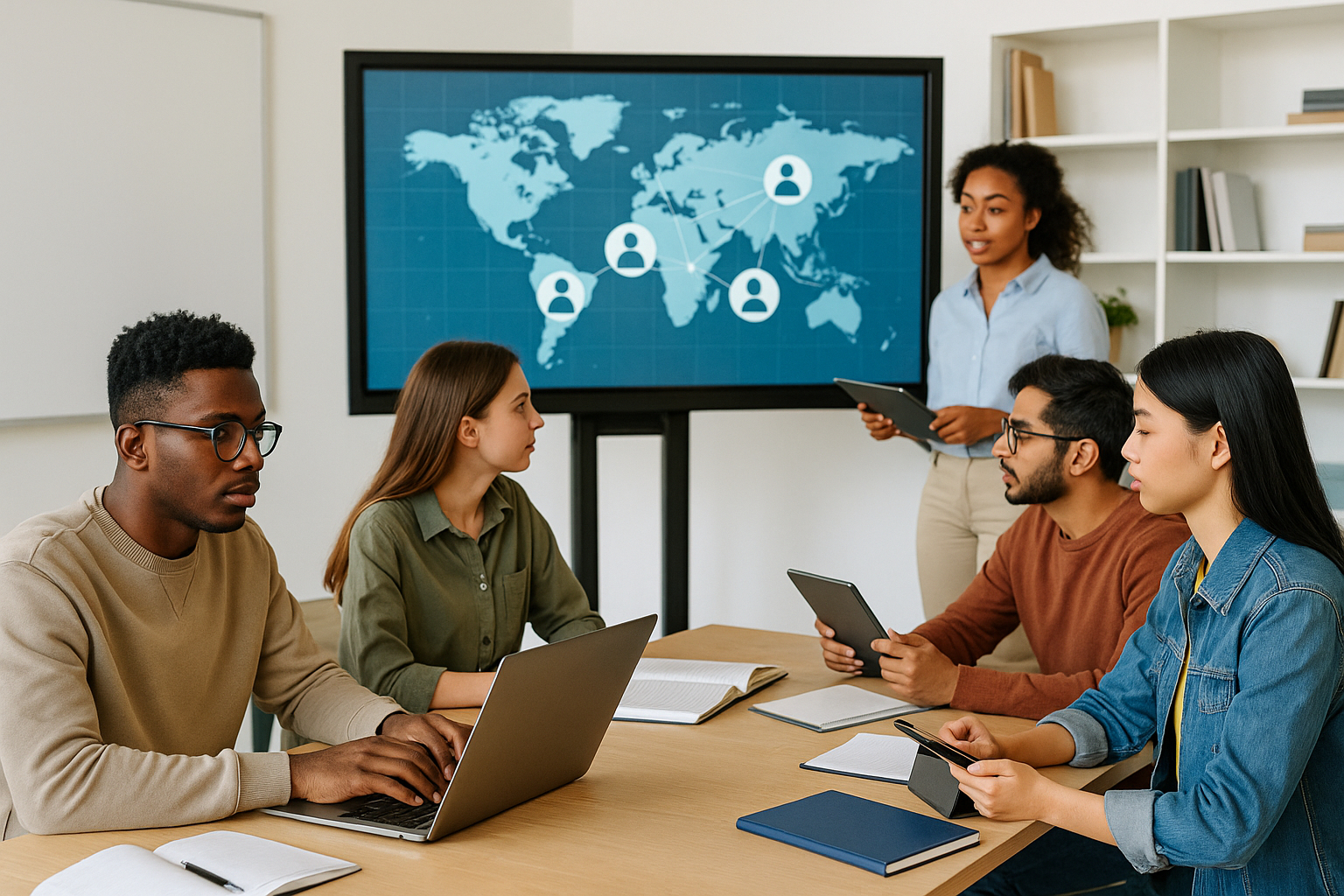
Digital classrooms unite students from different continents, promoting empathy, collaboration, and a deeper understanding of global issues—from climate change to social justice. This shift reflects education’s ultimate goal: preparing learners not just for careers, but for citizenship in a connected world.
Conclusion
Education reform is no longer just a policy discussion—it’s a global movement. By embracing technology, personalization, and inclusivity, we’re building an education system fit for the 21st century. The future of learning is borderless, flexible, and human-centered—empowering every learner to grow, adapt, and contribute to a better world.