Reviving Neighborhood Newsrooms for Today’s Readers
 By
Local reporting shapes how communities understand public safety, schools, planning and local business. But many neighborhood newsrooms face shrinking budgets, staff turnover and audience drift toward social platforms and aggregator sites. The result is coverage gaps that leave daily decisions to rumor, official press releases, or broad national outlets that don’t get the details right or lack local context. Reviving local journalism means more than saving institutions; it means rebuilding everyday civic infrastructure. Readers want clear, relevant reporting, and some newsrooms can provide that if they adjust and invest in basic digital skills.
Smaller investments that sharpen reporting focus can yield outsized community benefits. A pragmatic approach balances ambition with the resources at hand.
Why neighborhood coverage still matters
Neighborhood reporting uncovers details that shape residents’ lives: school board votes, zoning changes, small-business openings. These stories influence daily routines and local policy in ways that national coverage never can. When local outlets weaken, accountability gaps appear — public meetings go unreported and local voices are absent from debate. Restoring these beats restores a crucial feedback loop between officials and the people they serve.
That civic role is a practical reason to invest even modestly in local journalism. Communities gain clearer information and better choices as a result, and local leaders receive more immediate feedback.
Practical steps newsrooms can take
Smaller newsrooms can prioritize high-impact beats: schools, planning commissions and public safety. Simple tools — consistent publishing calendars, reader newsletters, basic analytics and clear contact points for tips — amplify limited reporting resources. Sharing coverage across nearby outlets and partnering with local public radio or community groups spreads cost and reach. Digital tools can automate routine tasks so reporters spend more time on reporting.
Those changes don’t require massive budgets but do need editorial focus and staff training. Incremental improvements often produce noticeable gains in readership and trust.
Engaging readers without chasing clicks
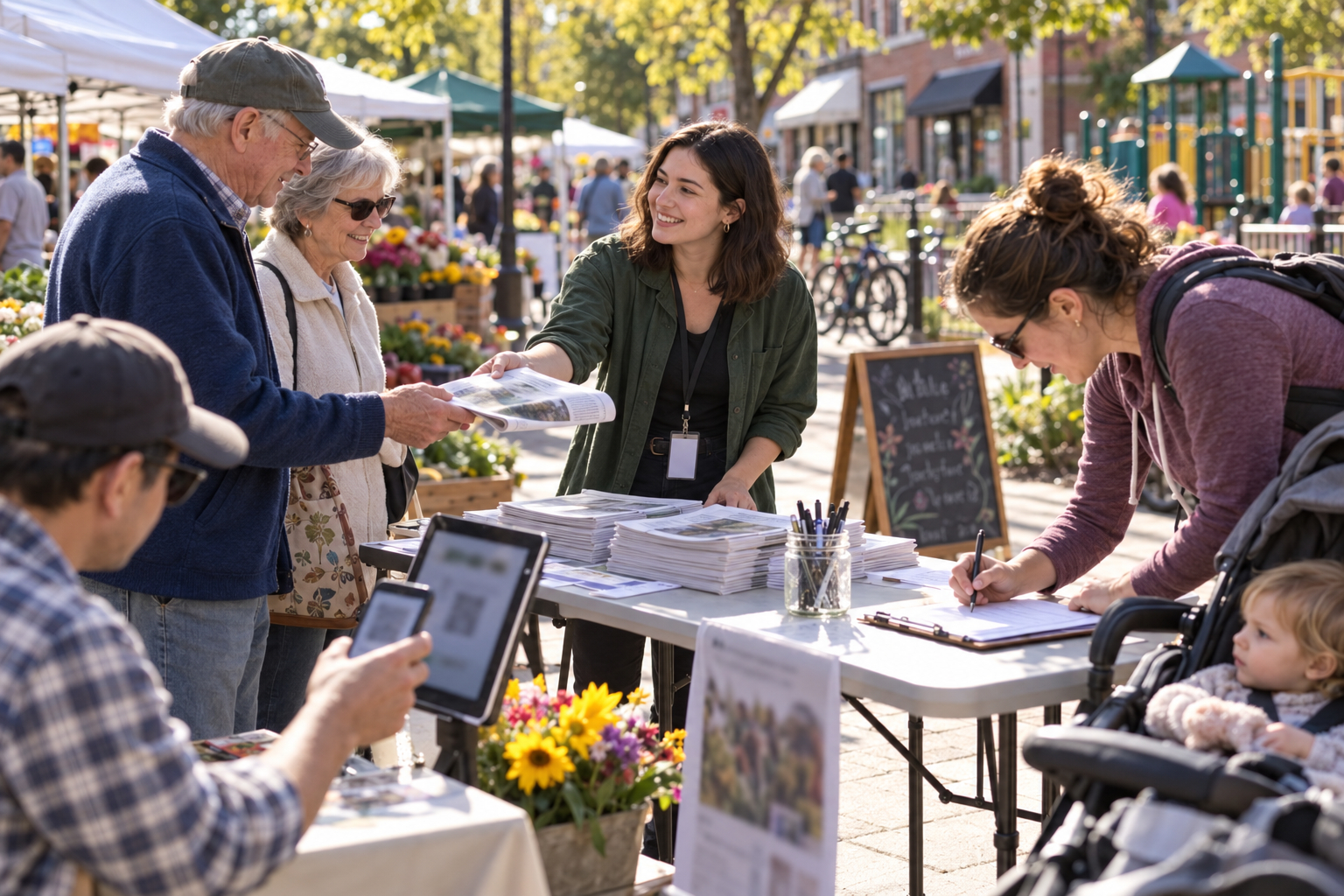
Authentic engagement starts with listening: ask readers what questions they have and follow up with reporting that answers them. Events like town halls, office hours with reporters and short surveys build direct relationships and surface stories, and community newsletters can keep those connections alive. Coverage that prioritizes utility over sensationalism may attract fewer viral shares but creates repeat readers and civic participation. Transparency about methods and corrections further strengthens credibility.
A steady rhythm of useful reporting helps newsrooms build sustainable audience habits. That steady audience can be the foundation for diversified revenue through memberships, events or local sponsorships.
Conclusion
Reviving neighborhood newsrooms is a long effort that pays dividends in informed communities. Small, focused changes in reporting priorities, audience engagement and partnerships can make a visible difference. Supporting local outlets is an investment in everyday civic life.