How Global Protests Are Shaping Human Rights Policy
 By
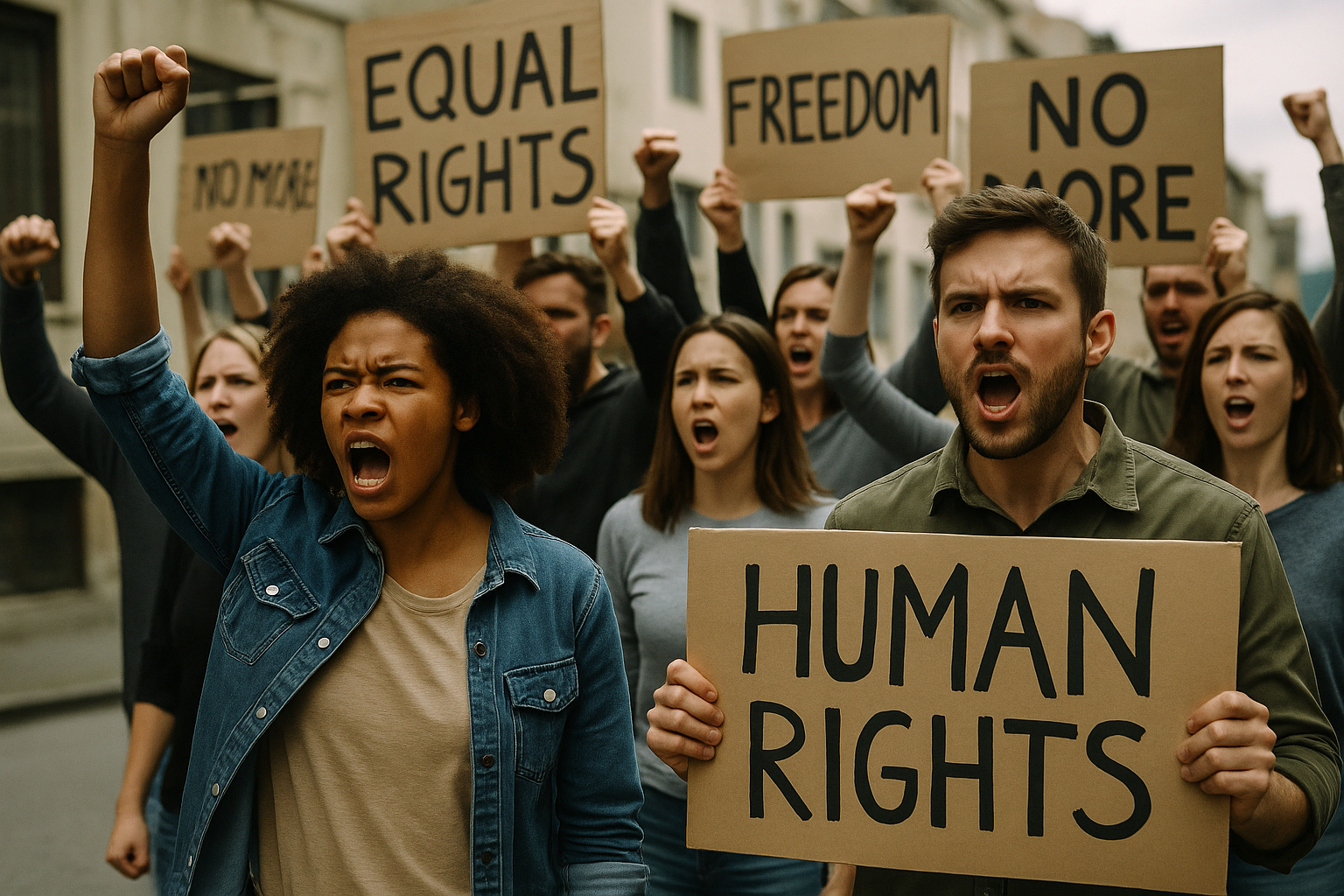
By Around the world, public protests have become a powerful force for change, influencing legislation, international dialogue, and the way governments respond to the demands of their citizens. From large-scale marches to digital activism, these movements bring attention to human rights issues that might otherwise remain unnoticed. As people increasingly unite across borders and platforms, global protests are transforming how human rights policies are created, debated, and enforced.
Amplifying Voices Through Collective Action
Protests give people a platform to express their shared concerns, making issues visible on a global scale. When thousands gather to speak out against injustice, discrimination, or inequality, their unified message becomes difficult for leaders to ignore. This collective action pushes policymakers to re-evaluate existing laws and consider new protections that respect human dignity and freedom.
The Role of Digital Activism
In the age of social media, activism no longer depends solely on physical gatherings. Online protests, viral campaigns, and digital petitions spread messages at unprecedented speed. These platforms allow individuals from different countries to join causes instantly, creating global pressure that shapes public opinion and influences policymakers. Digital activism has become a vital tool for shining light on abuses and mobilizing international support.
Holding Governments and Institutions Accountable
Global protests often highlight failures in governance or systemic injustices. When public pressure builds, institutions are compelled to investigate wrongdoing, revise policies, or introduce reforms. International organizations, such as the United Nations and human rights bodies, also respond to widespread public demand by strengthening monitoring systems and issuing new guidelines.
Shaping Long-Term Policy Change
While protests can spark immediate reactions, they also contribute to long-term policy transformation. Many laws addressing civil rights, gender equality, police reform, and environmental protection were born from sustained public movements. These efforts keep pressure on leaders, promote transparency, and encourage meaningful dialogue between citizens and policymakers.
Conclusion
Global protests are more than expressions of frustration—they are a driving force behind the evolution of human rights policy. By amplifying individual voices, fostering global solidarity, and pushing for accountability, these movements continue to shape a more just and inclusive world. As people unite across borders, their collective actions carry the power to influence the future of human rights for generations to come.