Make Community Events a Steady Source of Local Stories
 By
Community events are more than calendar items; they are recurring opportunities to show up where residents already gather. Treating them as sources for consistent coverage helps newsrooms stay visible and useful without chasing every breaking story. With a few simple habits, events can fuel previews, on-the-ground updates, explainer pieces and follow-ups. The result is coverage that feels reliable to readers and manageable for small staffs.
Choose events strategically
Not every block party or meeting deserves the same attention. Prioritize events that connect to recurring concerns — transit changes, school board sessions, market days, volunteer drives — because those are easier to turn into series and follow-up stories. Look for gatherings that gather diverse people, produce decisions or reveal gaps in public services. A short selection process prevents burnout and keeps coverage focused on things readers actually care about.
- Set a weekly list of 5–8 recurring events to track.
- Assign one reporter or contributor to each event across a month.
- Flag events that should prompt a preview, live note, and a follow-up.
By codifying what matters, editors can ensure staff and freelancers spend time where impact and interest overlap. That makes planning easier and reporting more consistent.
Show up with a purpose
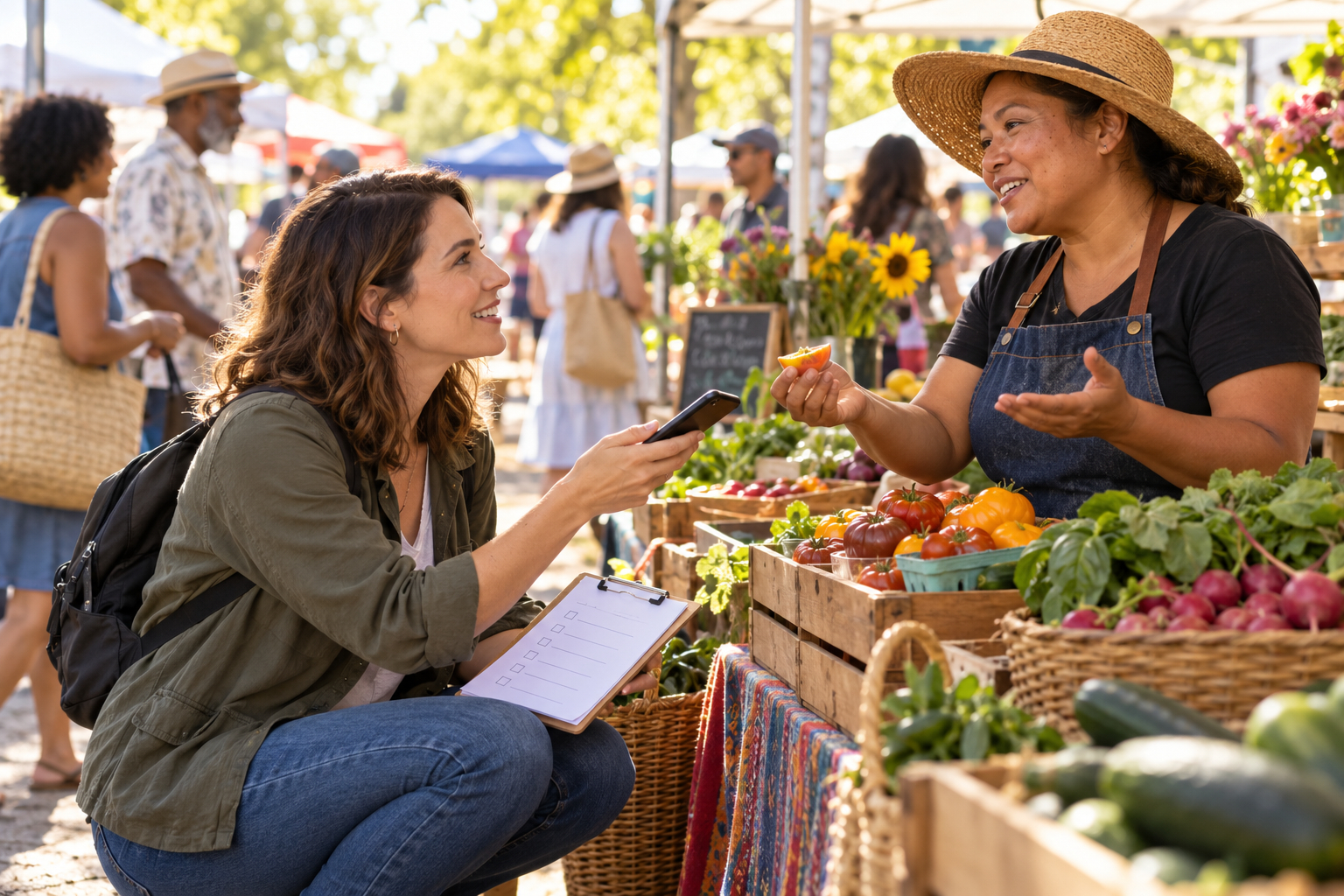
Being present is only useful if you know what you want to produce. Define a short package for event coverage: a preview blurb, two quick on-site interviews, one photo, and a follow-up with outcomes or resources. Templates for each element save time and create predictable content that readers begin to expect. Train reporters to capture names, concrete outcomes, and next steps rather than broad impressions.
- Preview: 150–200 words with time, stakes, and who should attend.
- Live notes: a handful of quotes or observations published quickly.
- Follow-up: a 400–600 word piece tying the event to larger trends or services.
These small, repeatable deliverables turn single appearances into a steady rhythm of reporting. They also allow editors to mix quick posts with deeper reads without extra overhead.
Build workflows that scale
Create a simple pipeline from tip to publish: calendar entry, assignment, checklist, publish slot, and follow-up reminder. Use shared calendars, short assignment briefs, and mobile-friendly submission forms for contributors. Track outcomes so editors can see which events produce the most engagement and public value over time. Small data like clicks or resource requests can guide which events stay on the list.
Scalable workflows make coverage more predictable and reduce last-minute scrambling. Over time the newsroom accumulates a reliable archive that residents learn to consult.
Conclusion
Framing community events as repeatable story engines lets newsrooms produce steady, useful coverage with limited resources. Clear selection, concise on-site packages, and simple workflows create a dependable rhythm that readers recognize. In short, consistent event coverage builds both audience trust and newsroom efficiency.