- Home
- Entertainment
- Small-Scale Innovation Is Changing Entertainment Formats
Small-Scale Innovation Is Changing Entertainment Formats
 By
Why format matters
Entertainment no longer follows a single script or runtime. Short series, interactive specials and bite-sized clips coexist with feature-length films and long-running shows, and that variety shapes how people choose what to watch. Creators and platforms have discovered that format itself can be a selling point, not just the cast or topic. That shift changes production, promotion and the kinds of stories that get made.
Short runs let creators take bolder chances
Shorter seasons and limited series reduce financial risk and let storytellers pursue unusual ideas that wouldn’t sustain a traditional multi-season commitment. A six- or eight-episode arc encourages tighter plotting, clearer themes and more experimental pacing, which can attract passionate niche audiences. Platforms testing new voices often commission compact projects to gauge interest before investing in a larger franchise.
Those compact formats also make it easier to schedule talent and to pivot quickly when trends shift. For viewers, a concise season can feel like a complete experience rather than an open-ended obligation.
Cross-platform moments stretch a story’s life
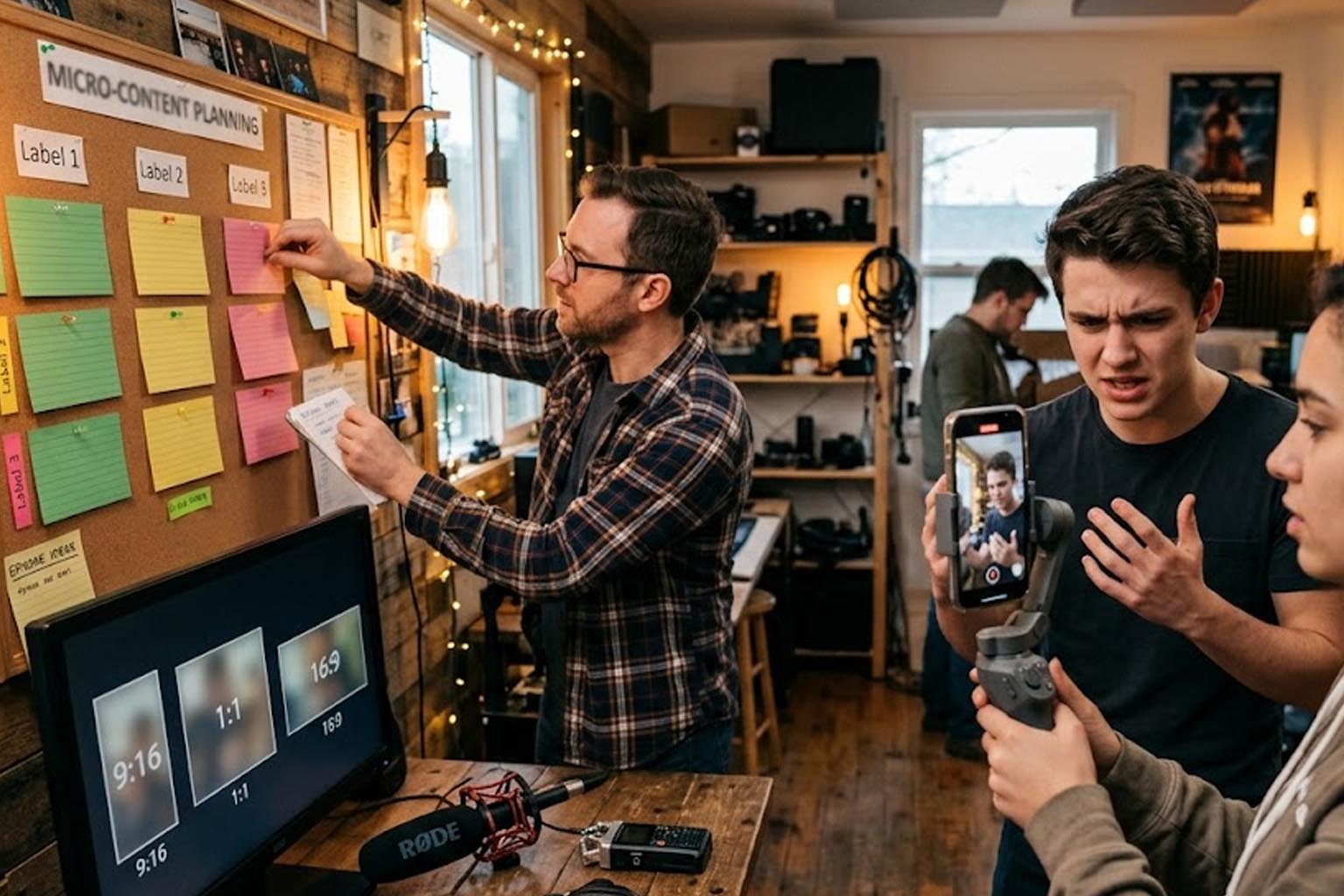
Entertainment now moves between screens and formats: a serialized podcast can inspire a limited TV run, while a social-video clip can spark renewed interest in an older film. These cross-platform moments extend reach and create entry points for different audience habits, helping a title live longer than its initial release window. Producers pay attention to where attention clusters and tailor content to create shareable highlights or companion pieces.
- Short clips for discovery on social platforms.
- Companion podcasts or shorts that build lore.
Smart releases use these touchpoints to funnel casual viewers into deeper experiences, and to keep a story relevant between major drops.
Audience behavior reshapes budgets and schedules
Viewing patterns — bingeing, appointment watching, sampling — inform how money is spent and when projects are released. A show designed to be binged might demand a different post-production timeline than a weekly series that needs cliffhangers to sustain conversation. Likewise, advertisers and distributors factor format into deals, rewarding projects that fit prevailing habits or that can create dependable viewing spikes.
As habits continue to fragment, production teams increasingly plan flexible budgets and modular story elements that can be rearranged for different formats or regions. That adaptability gives creators room to experiment without throwing out the entire budget when something doesn’t land.
Conclusion
Formats are no longer just packaging; they are part of the creative choice and marketing strategy. Small, nimble projects help test ideas while cross-platform pieces keep attention alive between releases. The future of entertainment will keep mixing runtimes and platforms to meet how people actually watch.