- Home
- Entertainment
- Why Live Events Are Winning Back Audiences
Why Live Events Are Winning Back Audiences
 By
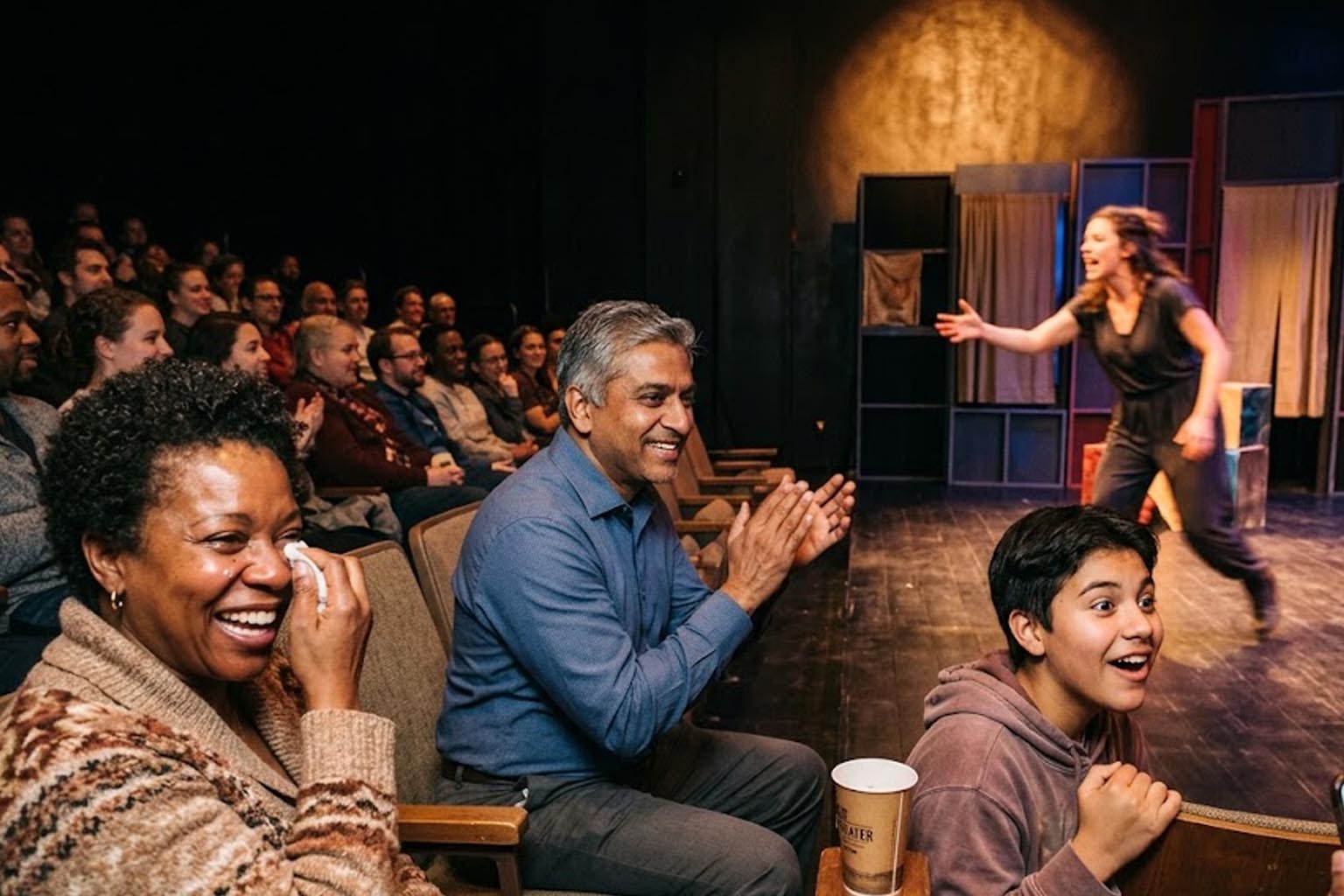
After long stretches of streamed and on-demand options, people are returning to live events for reasons that feel surprisingly simple. They want shared moments where laughter, surprise and applause happen in real time. These gatherings offer sensory variety—sight, sound, even the small unpredictability of a live performance. That mix is proving harder to replicate in a living room.
What Audiences Crave Now
Audiences are less interested in passive consumption and more in participation that feels meaningful. For many, attending a concert, theater show or pop-up experience satisfies a social hunger: it’s a chance to reconnect with friends, meet strangers who share interests, and create memories that aren’t archived algorithms. There’s also a preference for events that deliver authenticity; people sense when production leans too heavily on spectacle at the expense of substance. A well-crafted live event balances polish with moments that could only exist in that place and time.
Organizers who pay attention to hospitality—clear sightlines, reasonable scheduling and thoughtful concessions—see stronger return rates. Small details that respect attendees’ time translate into goodwill and word-of-mouth that money can’t buy. Repeat visitors are the clearest signal that an experience landed.
How Creators Are Rethinking Shows
Producers are shifting from one-way presentations to formats that invite action and reaction. That can mean interactive storytelling elements, staged conversations with audience input, or modular set pieces that change across performances. Creative teams are also experimenting with shorter runs and rotating lineups to keep ticket buyers curious. These strategies reduce audience fatigue and encourage people to come back because each visit offers something new.
Economics matter too: smaller casts and flexible staging often make projects financially viable while maintaining artistic ambition. Clever programming that mixes established names with emerging talent helps draw diverse crowds and keeps production costs manageable.
The Role of Technology and Intimacy
Technology isn’t the enemy of live events; used judiciously, it enhances intimacy rather than replaces it. Light and sound design can heighten emotions without overshadowing performers, and mobile ticketing reduces friction at entry. Some venues use apps to provide layered content—program notes, translations or backstage insights—that deepen engagement without interrupting the shared experience. The key is technology that serves presence, not distracts from it.
Smaller venues and curated capacities also contribute to a sense of closeness many found missing during large-scale productions. When an audience feels seen and heard, the overall impact of the evening increases dramatically.
Conclusion
Live events are regaining momentum because they deliver communal, sensorily rich experiences that screens can’t fully duplicate. Thoughtful production, respectful hospitality and selective use of technology make those moments memorable. For audiences and creators alike, that combination feels worth returning to again and again.