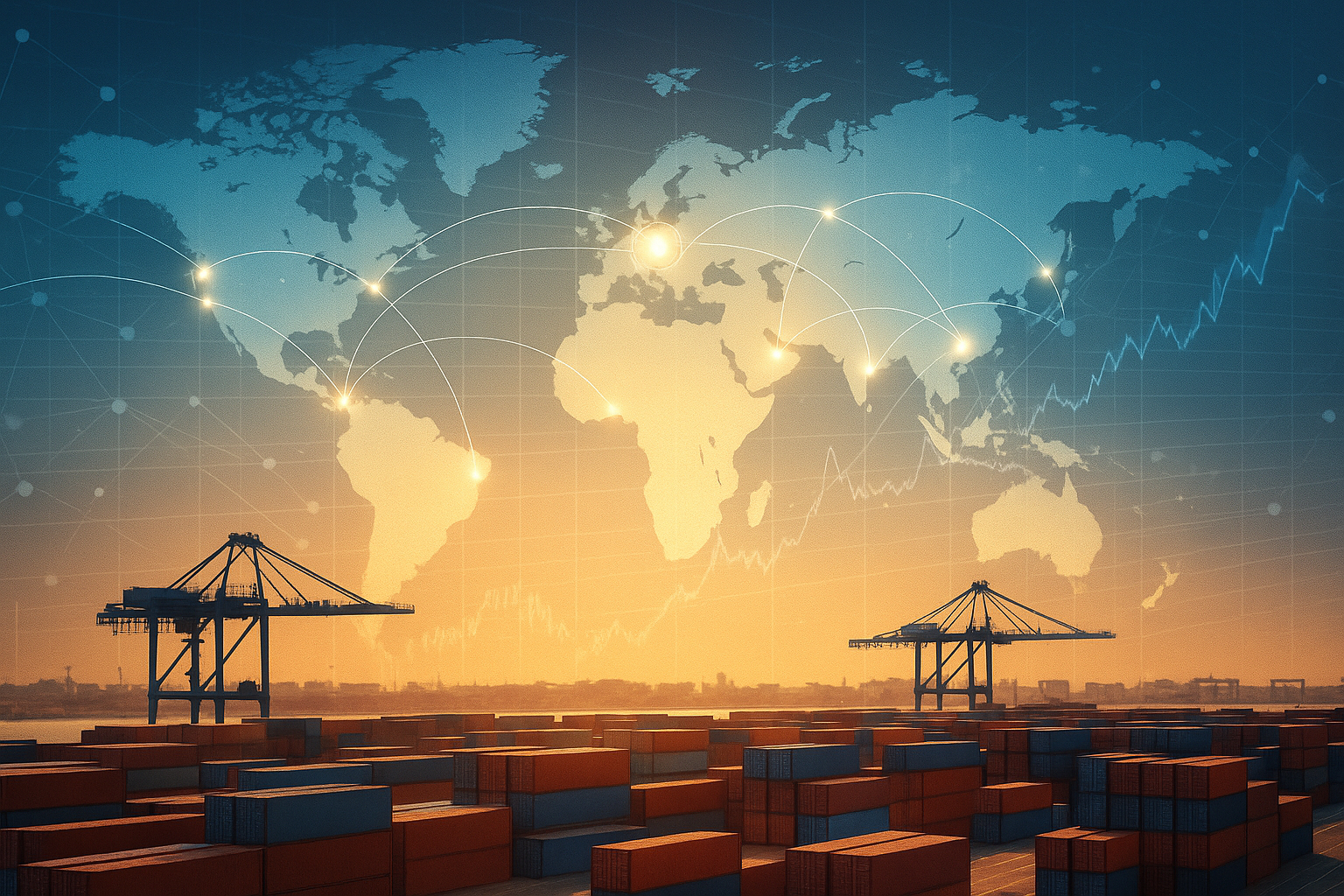
Major Trade Agreements Defining the Global Economy
 By
By Trade agreements are the invisible architecture of the global economy. They shape how goods, services, and investments flow between nations, influencing everything from job creation to consumer prices. In an interconnected world, these agreements don’t just define markets — they define relationships. From regional partnerships to global compacts, trade deals have become key instruments of diplomacy, innovation, and economic growth. Understanding them is essential to understanding how the modern world functions.
The Purpose of Trade Agreements
At their core, trade agreements aim to promote economic cooperation by reducing barriers such as tariffs, quotas, and import restrictions. By making trade smoother and more predictable, they help businesses expand internationally, encourage investment, and stimulate competition. These pacts also promote political stability by binding nations through mutual benefit. While they are often technical in structure, their impact reaches ordinary consumers — making goods more affordable and economies more resilient.
The World Trade Organization (WTO): Setting the Global Framework
The World Trade Organization (WTO) remains the backbone of international trade. Established in 1995, it provides a platform for negotiating trade rules and resolving disputes among its members. Its agreements cover goods, services, and intellectual property, ensuring that global trade operates under transparent and fair principles. Although it faces challenges from protectionism and evolving digital markets, the WTO’s foundation of open trade continues to influence how regional and bilateral agreements are built.
Regional Powerhouses: The Rise of Economic Blocs
Beyond the WTO, regional trade agreements have redefined global commerce. The European Union (EU) stands as one of the most integrated economic zones, enabling free movement of goods, people, and capital among its members. In the Asia-Pacific, the Regional Comprehensive Economic Partnership (RCEP) — involving major economies like Japan, South Korea, and Australia — has become the world’s largest trade deal by GDP coverage. Meanwhile, the United States-Mexico-Canada Agreement (USMCA) modernized the North American Free Trade Agreement (NAFTA), updating rules on digital trade, labor, and environmental standards to reflect 21st-century realities.
Trade in the Digital Era
As the digital economy expands, new trade frontiers are emerging. Agreements are increasingly addressing issues like data privacy, e-commerce, and cross-border digital services. The Digital Economy Partnership Agreement (DEPA), for instance, sets global standards for data flows and digital trust. These frameworks are critical for innovation-driven industries such as fintech, artificial intelligence, and cybersecurity — ensuring that digital trade remains secure and inclusive.
Balancing Growth and Fairness
While trade agreements drive economic growth, they also spark debate about fairness. Critics argue that some deals favor developed economies or large corporations, leaving smaller nations and local industries at a disadvantage. Modern agreements are gradually addressing these concerns by including provisions for environmental sustainability, labor rights, and equitable market access. The goal is shifting from growth at all costs to sustainable and inclusive growth — where economic progress supports both people and the planet.
Conclusion
Major trade agreements are the engines of globalization — connecting economies, fostering cooperation, and driving innovation. Yet, as the world faces new challenges like digital transformation, climate change, and geopolitical shifts, these pacts must evolve. The future of global trade lies not just in lowering barriers, but in building partnerships rooted in fairness, transparency, and shared prosperity. In a world defined by interdependence, trade agreements are more than economic tools — they are the threads weaving nations into the fabric of global progress.